Whether known as hurricane or typhoon, we are all too familiar with these most ferocious of storms and their consequences: damage, destruction and, for some unfortunate souls, death.
Almost 30 seafarers are now known to have died in early November’s storms in the Sea of Japan and hurricanes Charley, Francis, Ivan and Jeanne all took their toll in the Bahamas, the Caribbean and the South-eastern United States.
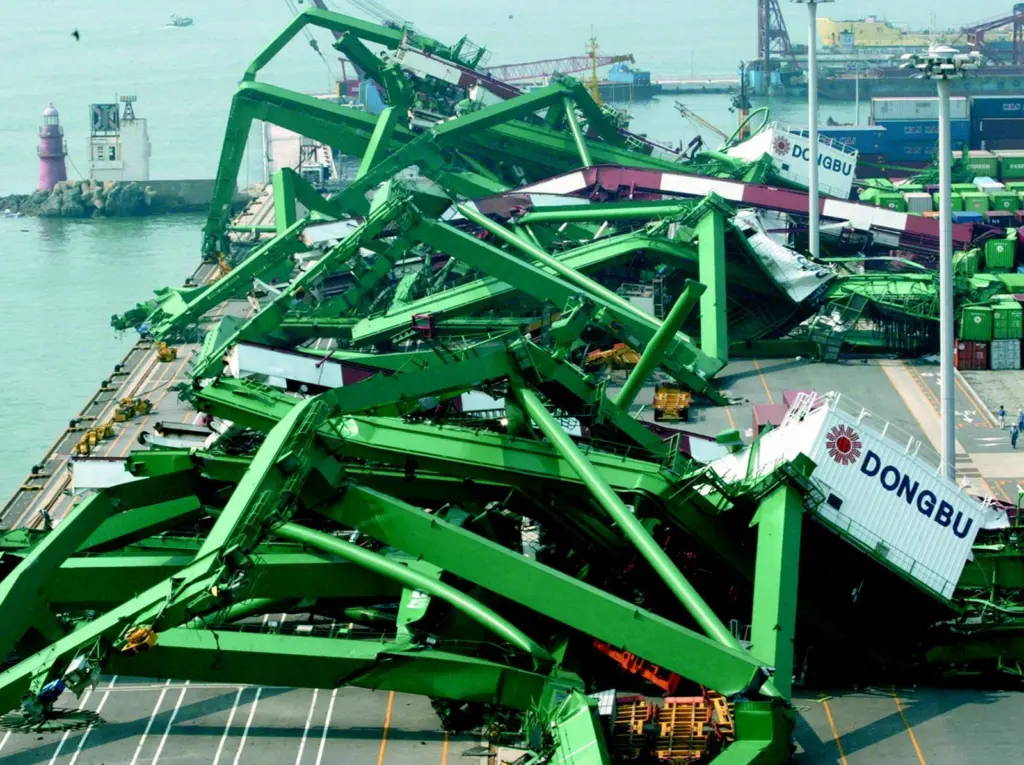
For port operators, with expensive hardware exposed on the quayside, valuable cargo stored in warehouses and business-critical equipment and systems housed in vulnerable administration buildings, the perils of windstorms are particularly acute. The pictures of collapsed cranes, scattered, smashed containers and beached ships resulting from typhoon Maemi’s impact with the port of Busan were among the most striking images of last year, serving to remind terminal operators, and their insurers, of their vulnerability.
Typhoon Maemi became the most expensive single claim in the TT Club’s near 40-year history but provided its claims handlers and loss prevention experts with valuable experience in preventative measures and disaster recovery.
The 2004 hurricane season in the Atlantic, which brought the four category three or higher storms powering through Florida and the neighbouring islands between the middle of August and the end of September, gave the Club the opportunity to put these lessons into practice and further refined its thinking as to the best way of coping with these elemental events.
Frances first struck the Bahamas as a category four storm on the Saffir-Simpson scale with wind speeds of 145mph and just over 20 days later, on 25 September, the islands were again lashed when Jeanne made landfall as a category three hurricane, generating wind speeds up to 130mph. A feature of the storms was that, despite the high wind speeds, they were both slow moving, so buffeting the areas in their path for longer than normal.
Consequently, although the cranes on the Bahamas and elsewhere stayed upright and withstood the wind force, damage was particularly severe from flying debris and water, which entered crane cabs and attacked their electrical systems. To further complicate recovery efforts, all power was lost for a protracted period and communications proved extremely difficult.
However, TT had loss adjusters on site in the Bahamas, which was one of the areas hardest hit by Frances and Jeanne, even before Frances struck.
Consequently claims could be settled more promptly, contributing to facilities being brought back online sooner.
This helps mitigate the damage but more importantly, there are many risk management strategies that can and should be pursued by the facility operators themselves.
TT Club’s basic recommendations (see box) may seem little more than common sense, but some or all are often overlooked or poorly implemented in the hurry of preparing for a major storm. If these essential precautions are properly in place then damage and downtime – not to mention insurance claims – will be minimised.
Windstorm damage prevention:
Maintain adequate stocks of spares<$>Check adequacy of secondary power supplies<$>Ensure crane control rooms are effectively protected<$>Minimise height of container stacks, especially empties<$>Adhere to comprehensive ‘tie-down’ procedures<$>Protectively block park straddle carriers – supporting each other<$>Ensure all gantry crane booms are in upright position