
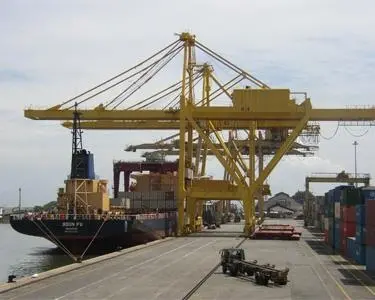
Once the extended opening has been established in these key ports, the remaining nine ports will also be made ready. The transition is required to enable a smoother flow of goods through Indonesian ports, say the authorities, which it is hoped will result in a reduction of vessel queuing times.
The new initiative may be a reaction to Tanjung Priok’s nearing capacity. And it is complicated by the fact that rail and road connections are somewhat troubled: for example the rail link from Bandung, Java’s third-largest city, stops one kilometre short of the main port and road connections are poor, slowing containers down considerably.
Indonesia, the third-fastest expanding economy in the Group of 20 last year, has well-known infrastructure problems. Logistics costs put many Indonesian products way beyond the price of the equivalent Chinese items – and China is busily growing roads through its hinterland to open up its south-central and eastern areas.
However, Indonesia has plans afoot to change the law – draft legislation will help acquire the necessary land rights, although farmers are saying that compensation prices are still not high enough.