It seems that labour is an unstable catalyst in a very shaky mix of discussions about the role of automating container terminals across the country.
Indeed, the boss of the International Longshoremen’s Association (ILA) was quoted – in between the sabre-rattling and use of the dreaded “S-word” (as in “strike”) – as saying that “automation will be the toughest issue to negotiate”. But moves towards automation make sense at terminals where space is constrained; New York certainly qualifies.
In researching an article linking strategy and operations, one finding that emerged is that in the US, labour rules have inhibited automation in the field of container handling (and the information systems to track things like which boxes are stored where). Another trend that was identified is that large ports have not been afraid to move the whole operation “out of town”.
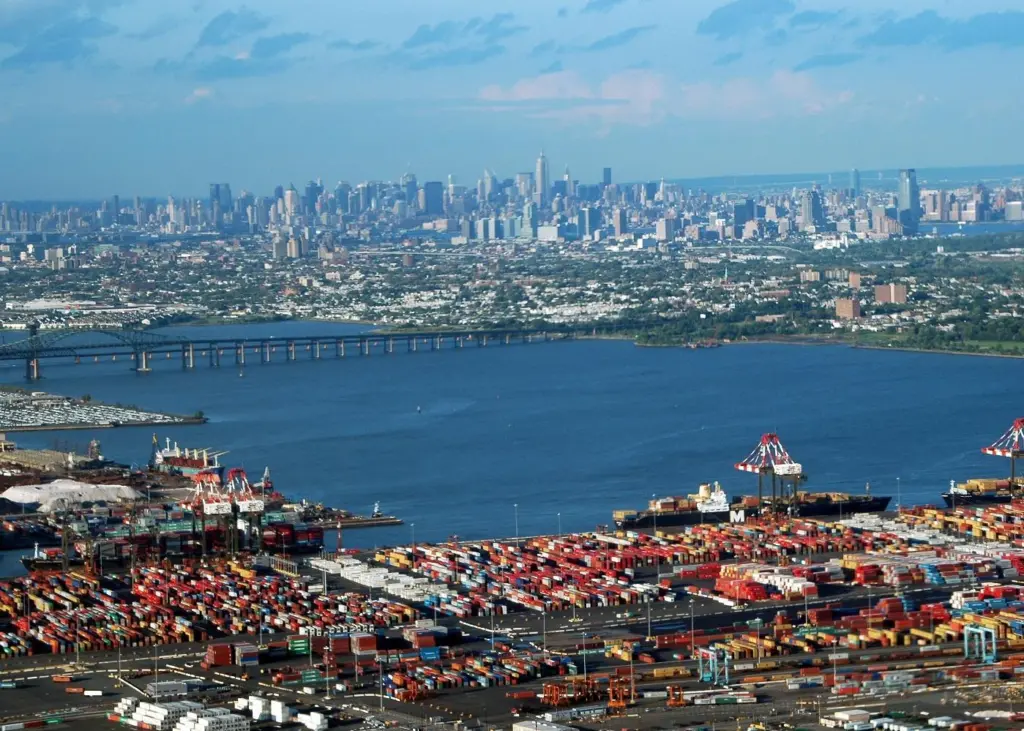
In my home town, there is continued noise regarding the Bayonne Bridge; plans have been proffered for raising the bridge – with the goal of enabling port calls by bigger ships at the existing port.
Forgetting about the politics and mechanics of jacking-up the 80-year-old bridge span, I would point out that the existing footprint of the big terminals is already efficiency-challenged. How will bigger ships be able to discharge more cargo without some improvements that would support “densification” (a consultant word, if there ever was one).
Even though spell-checkers might not agree with my word choice, I suspect that strategists at the big carriers will agree with the thought. What, then, of 12,000 teu vessels? Bring them on… but just get the boxes off the docks quickly.
At last month’s Connecticut Maritime Association event, a speaker from the Panama Canal Authority suggested that Panama’s “Plan B” when the widened Canal opens (albeit with slight delays, as we are now learning), will be to support transhipment from ports in the Caribbean into the East Coasts “in case the ports are not ready for the big ships”.
Ports and terminals along the East Coast, in planning for the future, need to realise that the implications of the dialogue with the ILA reverberate “out of town”. Consequently, ports need to think about the bigger transport system, not just about deep drafts and air drafts.