Governments anxiously watch for a higher rank; opposition parties loudly proclaim a crisis when their country’s rank is down.
The WEF ranking consists of more than 100 indicators, classified in 12 pillars. This port indicator is in the pillar ‘infrastructure’ with a ranking based on an assessment by domestic business leaders.
There may be questions regarding validity, but the fact that Singapore and the Netherlands are ranked 1 and 2 respectively, while Brazil and Costa Rica are towards the bottom of the ranking gives some comfort that the bigger picture is correct.
Every individual country has its story. France, for instance, had consistent rankings among the top 10% but recently slid down, perhaps due to labour unrest. As another example, Panama, has gradually progressed and now is the highest ranking country in the Americas and in fourth spot overall.
The story of Oman also merits some attention. For the seven years that data is available, Oman is the only country that has consistently improved its performance. In 2007 Oman was around the 70th percentile, i.e. it ranked higher than 70% of the other countries, in 2013 it had moved up to the 86th percentile. Oman’s port policies are somewhat different from most emerging economies in that it has allowed foreign companies a central role in port development, within a well-developed port policy framework.
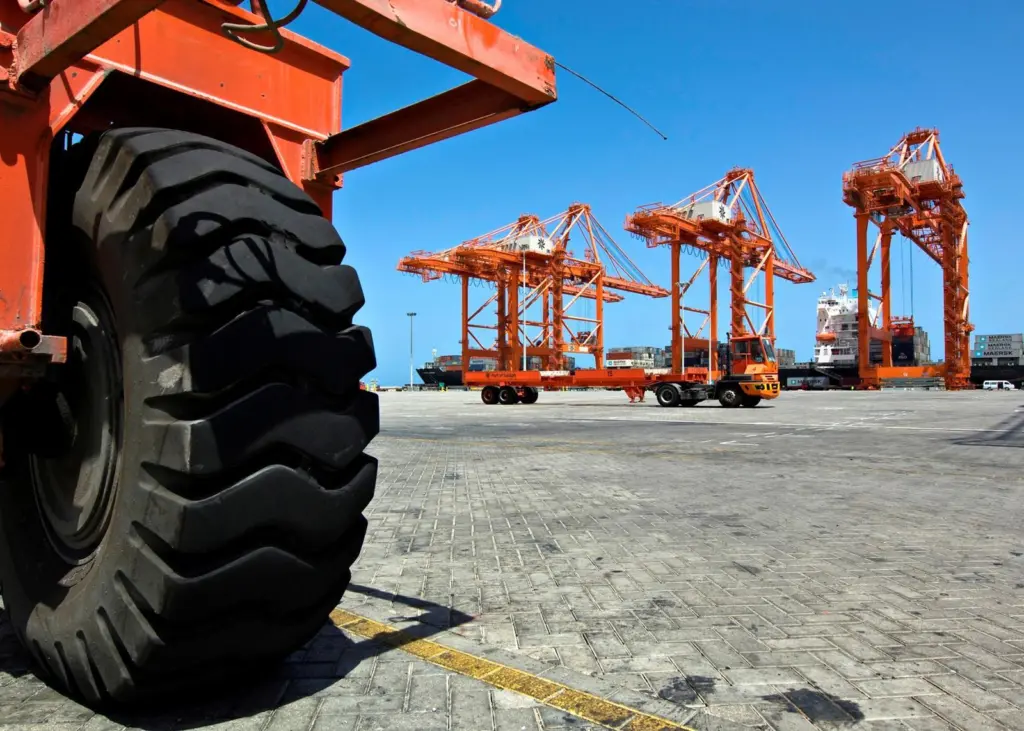
Salalah has grown consistently over the last decade, to become an important and efficient transhipment hub, with a throughput of over 3.5m teu. Salalah Port Services Company has 30% foreign (APM Terminals) and 70% local ownership, predominantly public.
Likewise, the port of Sohar is a 50/50 joint venture between the government of Oman and the Port of Rotterdam Authority. Volumes at this port have grown in seven years from about 6m tons to 44m ton.
Finally, port development in Duqm is through a 50:50 joint venture between the Omani Government and Antwerp Port Authority.
These arrangements secure the inflow of world class port development capabilities, while securing competition between the ports in Oman as well as a strong government influence in major decision making.
The WEF indicator suggests this is a successful strategy. Other emerging economies may be advised to take a close look at the Omani model.