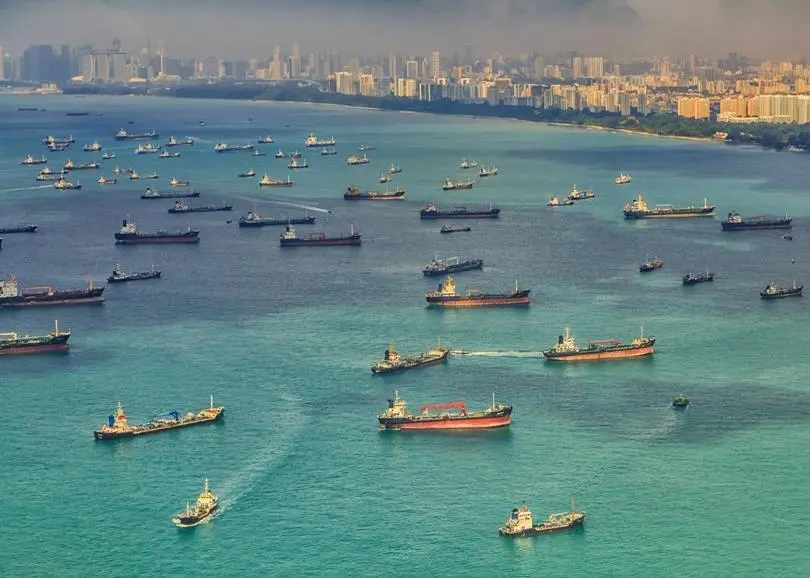
Ports face a series of challenging marine planning requirements that need to be addressed – while land use is often well zoned and tightly regulated, there is often limited designation of waterspace outside of specific fairway/anchorage demarcations and protected ecological marine areas, says Richard Colwill, managing director, BMT Asia Pacific.
According to Mr Colwill, integration is vital to optimising waterspace because “it recognises the potential uses of multiple activities across waterspaces and at varying depths. It also considers the needs of different stakeholders which may be competing or complementary, and provides a flexible framework to accommodate future changes.”
“This is where MSP comes in. MSP is an interlayering of potential waterspace uses, allowing numerous activities to coexist,” Mr Colwill added.
The vital element of developing a plan under MSP, says Mr Colwill, is to identify compatibility and a hierarchy of needs. The most basic analysis will demonstrate that many marine areas cannot simultaneously meet all demands for use (for goods or services), and that the value of marine space cannot be entirely expressed in monetary terms. However, if a solely single-sector analysis and allocation is conducted, then there may be inadequate consideration of other uses, leading to a chaotic pattern of overlapping and conflicting zones, and ultimately conflicts between users.
Allocation on a case-by-case basis also means that decision makers often end up in a reactionary role. This requirement to integrate the needs of all users is a “pivotal element” of MPS.
In addition, it’s necessary to review waterspace and identify which marine areas are most important – both economically and ecologically, observing current conditions as well as with one eye looking towards the future, says Mr Colwill.
MSP is said to provide a number of economic, ecological and social benefits: streamlining and transparency in permit and licensing procedures make way for clarity over waterspace status for medium to long-term investment planning, while ecologically, the identification and demarcation of environmentally important areas permit a reduction in conflicts and a planning context for their protection.
Mr Colwill highlights that establishing and maintaining continuous planning for marine spatial management will not be achieved unless all stakeholders, including decision makers, politicians, resource managers, bureaucrats, and the general public understand the net benefits of planning – and this is where establishing good process is critical to success.
“The sea is not empty and we need to show wisdom in our planning of waterspace usage,” Mr Colwill concluded.