We think of this in terms of containers, but there is no reason not to take bulk into account as well.
To appreciate that crude oil is a commodity that also benefits from port connectivity we have only to look at Singapore, Rotterdam, Ningbo, and LOOP terminal in the US Gulf, to name but a few. Why are these ports major destinations for crude oil? Firstly they have considerable storage facilities, linkages with transhipment of crude in smaller tankers, refineries and, not least, they are at the end of a web of pipeline networks.
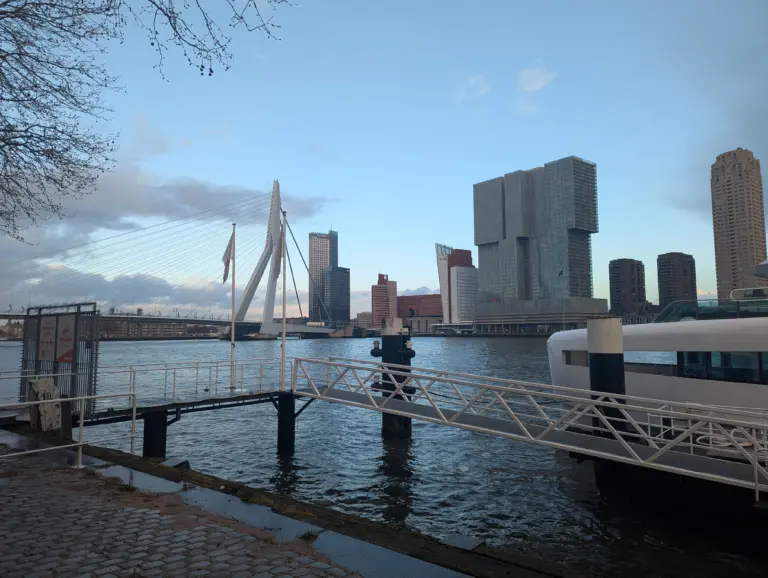
When it comes to dry bulk, the Port of Rotterdam sells itself on the basis of its connectivity. It offers access to the largest dry bulk carriers, a broad choice in terms of transhipment, storage and added-value services, as well as excellent intermodal connections within Europe by coastal ships, rail and barge. The presence of a strong forwarder and port agents’ community is also critical, not only for containers but for bulk as well.
With all three types of maritime commodity groups attracted to ports with connectivity, what are the ports doing? Both the airline and shipping industry require a best-in-class port with modern facilities that allows for the swift movement of people and cargo. Without this neither shippers nor carriers will make much of an effort to search out a port just because it says it is a transhipment port, or has the ambitions to be one.
Building new ports, be they airports or sea ports, requires more than just concrete and cranes to succeed in becoming focal points. They need a solid domestic cargo base combined with good gateway connections either into the hinterland or via transhipment to have any chance of succeeding. Added to this are the institutional facilities such as banking and human expertise to facilitate trade, which are never as easy to develop as the infrastructure.
The concept of ‘build it and they will come’ is never enough.