Carnival recognises that methane slip is a concern but believes it can solve the issue, the company’s SVP maritime affairs told GreenPort at GreenPort Cruise & Congress 2019.
Tom Strang said: “Like everyone else in the industry we’re working to reduce methane slip.” He explained that Carnival is working with its engine manufacturers and fuel suppliers to make sure methane slip is accounted for in its fuel strategy.
He said it’s not certain whether Carnival will be able to have a zero-emission methane slip diesel engine in the future, but methane slip wastes money and by looking at gas turbines, fuel cells etc, “there are ways to be more efficient in our use of methane and to avoid the methane slip”.
The company already operates three LNG cruise ships and has a further 10 next-generation cruise ships due for delivery between 2019 and 2025 that will be able to generate their power at sea and in port from LNG.
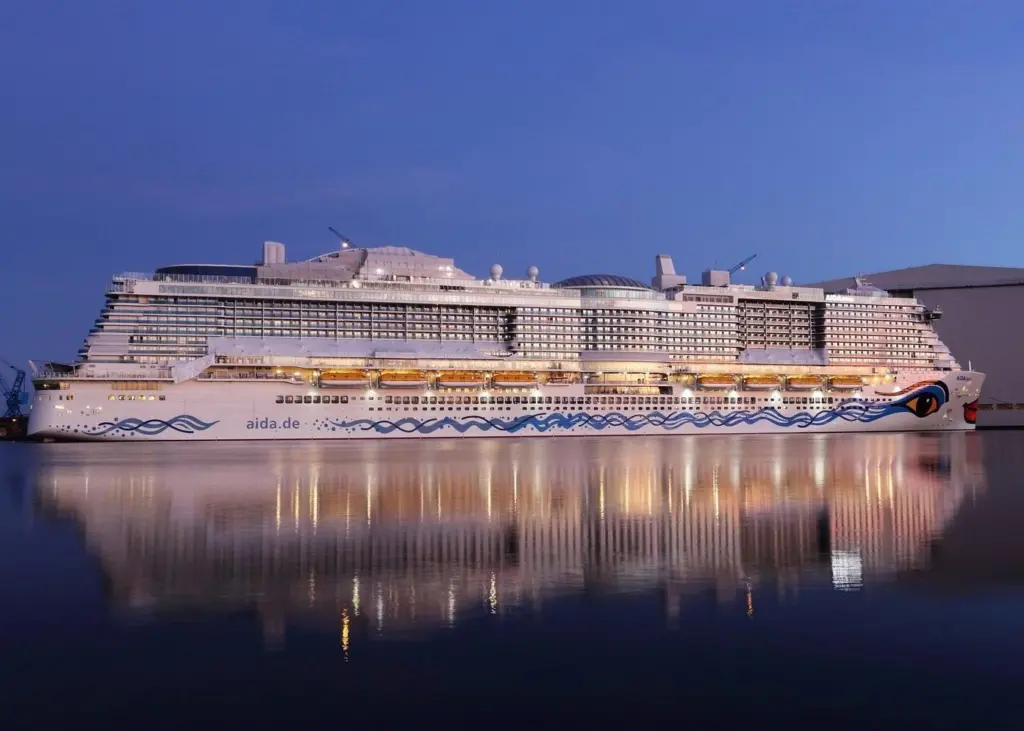
AIDAnova, the first cruise ship to run on LNG at port and at sea, was launched last year.
AIDAprima was launched in 2016 and is the world’s first cruise ship to be powered by LNG while in port. AIDAperla followed in 2017 and has the same capabilities.
Carnival is currently developing a methanol-based fuel cell which should be ready to be installed on the AIDAnova in 2021.
Looking at LNG carbon reduction without the GHG and the methane slip, you should be able to get up to nearly 28% reduction, Mr Strang said.
However, while its LNG ships can provide up to a 20% reduction in carbon dioxide emissions and efficiency has improved by the same percentage, current technology capability is not enough to meet industry emission-reduction goals, said Mr Strang.
“The only way to go forward will be to start introducing zero-emission carbon fuels into the supply chain.
“Because we’ve gone down the route of LNG, liquified bio-methane would be one alternative. Presuming you can get liquid bio methane certified as zero carbon emissions.
“The other way would be to do LNG-to-X. That is synthetic methane produced from renewable energy with carbon capture and storage attached to it. You take carbon, you attach it to the carbon atoms to make synthetic methane and it’s still zero carbon emissions.
“When you start adding that into the fuel supply chain then, you’re getting a real significant reduction in emissions.”