The study, published by the hydrogen import coalition – a collaboration between DEME, ENGIE, Exmar, Fluxys, Port of Antwerp, Port of Zeebrugge and WaterstofNet, said this is important to meet the challenge of the transition to a carbon-neutral society by 2050.
Alexander De Croo, Prime Minister of Belgium, said: “This study provides essential new insights for the further roll-out of a hydrogen economy and the further reduction of CO2 emissions. The next step is to develop a long-term strategy for importing hydrogen.”
Annick De Ridder, Antwerp’s port alderman, commented: “This study confirms that hydrogen can play a key role not only in making the port of Antwerp sustainable, but also in the rest of Europe.”
What’s next?
Further work will include pilot projects for the supply of sustainable energy by means of green molecules from countries where wind and solar are available in abundance to Belgian end users, among others.
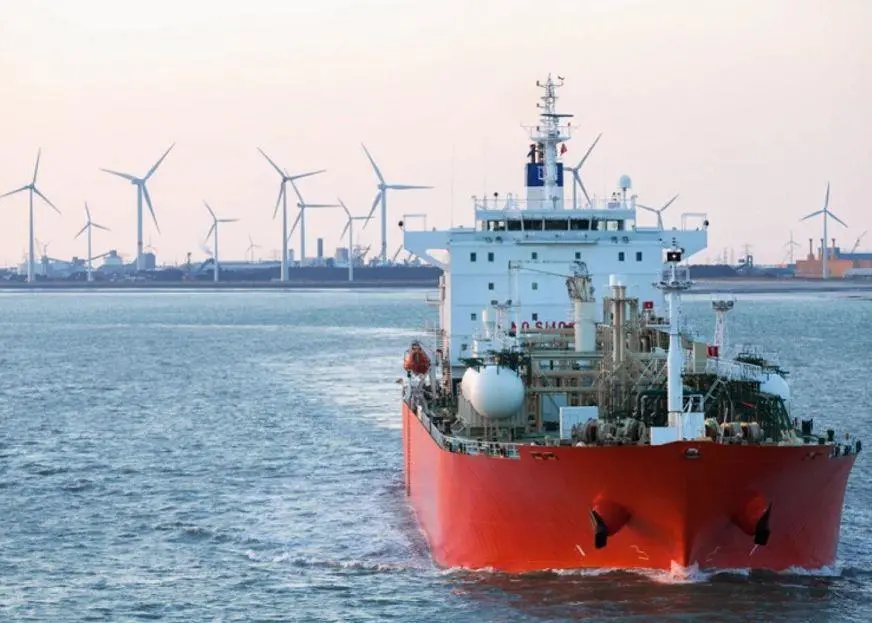
Molecules can act as energy carriers to efficiently transport green energy through pipelines and ships. Hydrogen, as a carrier of renewable energy, plays an important role in the blend of end-user solutions, explained the Port of Antwerp.
According to the study, importing of renewable energy through green hydrogen carriers will become an essential part of our energy supply. The coalition partners will now analyse how to prepare ports to receive the hydrogen carriers of the future.
Various types of hydrogen-derived carriers from a range of supply regions will be able to provide cost-competitive renewable energy and raw materials by 2030-2035. The most promising green energy carriers are ammonia, methanol and synthetic methane, found the study.