This is according to a new study conducted by Ricardo and Environmental Defense Fund for the P4G Getting to Zero Coalition Partnership. The country’s potential for renewable energy generation, the location of its ports on busy shipping routes, and strong trading relations make it a good candidate, found the study.
“Our study has found that Mexico’s access to busy shipping routes and abundant renewable energy potential puts it in a good position to help drive the zero carbon fuel market,” said Olivia Carpenter-Lomax, future energy specialist and project lead at Ricardo.
“Mexico can potentially supply both its domestic electrical demand as well as the production of zero carbon fuels to supply commercial vessels bunkering in its ports by use of renewable energy.”
From renewables to shipping fuels
The abundance of renewable energy resources in Mexico means that shipping fuels can be derived from renewable electricity generation. The study has identified hydrogen and ammonia as the most suitable options for large commercial vessels, while small vessels can be supplied through electrification.
International vessels adopting zero carbon fuel bunkering must have the opportunity to refuel along their journey. By moving early, Mexico can set the trend for electro fuel adoption and position itself as an important bunkering hub along global zero carbon shipping routes.
The production of green hydrogen-derived shipping fuels could help Mexico meet its decarbonisation targets by catalysing renewable energy generation supply chains, skills, and economies of scale, which support the wider adoption of new technologies, said the report.
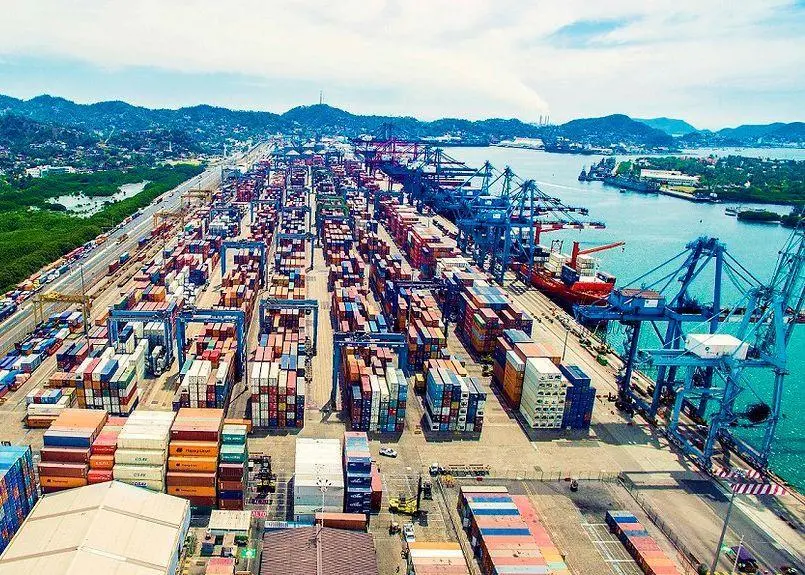
The report highlights the ports of Manzanillo, Cozumel and Coatzacoalcos as great examples of how different types of ports in Mexico could capitalize on a zero-carbon transition.