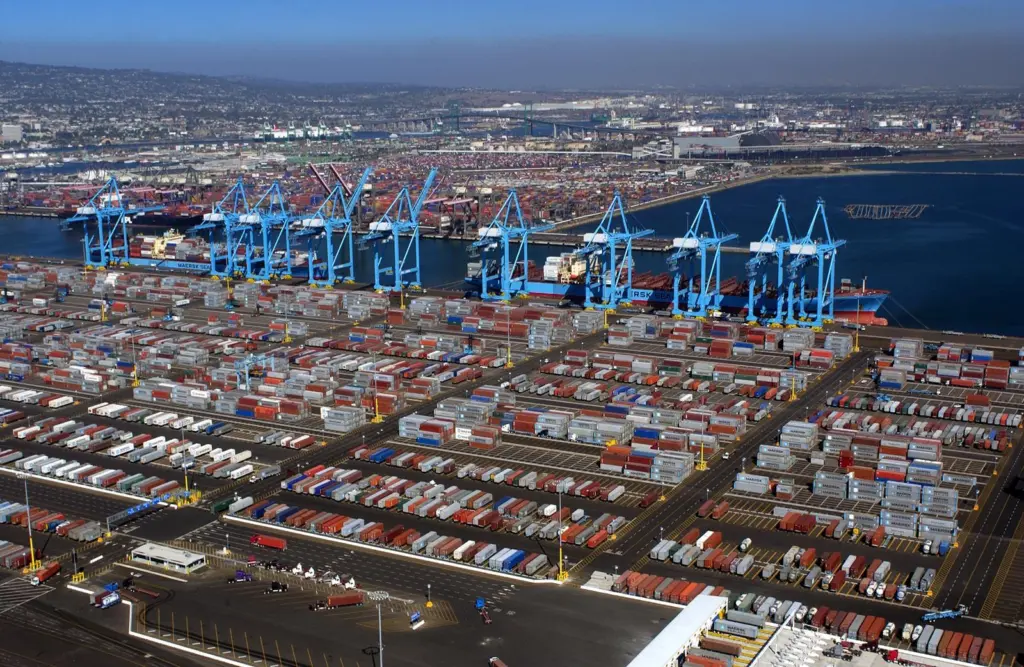
2018’s Call for Projects requests concept papers for a variety of projects that have the potential to reduce emissions, including diesel particulate matter, nitrogen oxides, sulfur oxides and greenhouse gases. Concept papers are due by 22 May and shortlisted projects for vessels, trucks, trains, terminal equipment and harbour craft will be invited to submit a full proposal.
US$21m distributed
TAP was created by the San Pedro Bay Ports Clean Air Action Plan (CAAP), adopted in 2006. Since 2007, the Port of Los Angeles and Port of Long Beach have distributed over US$21m in funds to advance the commercial availability of technology that will help lower health risks posed by air pollution from ships, trucks, harbour craft, cargo handling equipment and rail locomotives serving them.
The CAAP, a landmark effort aimed at lowering health risks from air pollution, was updated last November. The update calls for even more aggressive strategies to reduce pollution and greenhouse gases and to ultimately transition to zero emissions operations over the next 20 years.
Targets for reducing greenhouse gases (GHGs) from port-related sources were introduced as part of the 2017 CAAP Update. The document calls for the ports to reduce GHGs 40 percent below 1990 levels by 2030 and 80 percent below 1990 levels by 2050.