Mr Oja, who is chair of PEMA’s new Safety Committee, said: “If you’ve done something a certain way for a given amount of time, you may be reluctant to adopt a new approach with which you are unfamiliar.”
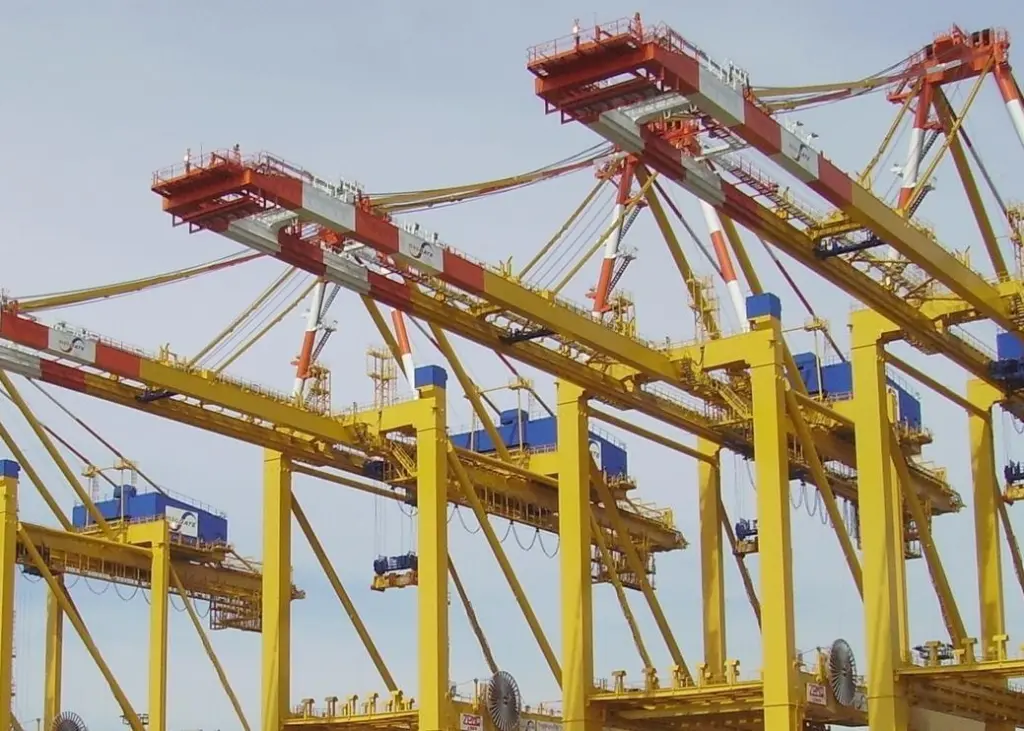
However, he added that technology may be a saving grace in reducing human error, and points to PEMA’s focus on safety recommendations for container cranes, including detection systems that both warn of and prevent boom collisions with vessels and ways of preventing operators losing control of cranes in high winds.
Currently director of Port Technology at Konecranes, Mr Oja noted that the new working group brings together a wide variety of experience and knowledge from across the ports industry.
But he went on to say that to be effective, the group should seek to influence on an individual level. “Our intention is to involve as many people as practicably possible, and not simply hand down directives: safety should be a collaborative enterprise, not imposed from above.”
The group is one of two recently established by PEMA to coordinate the association’s safety and environmental initiatives. The safety committee aims to promote safety issues and circulate information in cooperation with the International Cargo Handling & Co-ordination Association. Further, it will also take an active role in distributing findings of industry studies, for example surveys conducted by the TT Club.