“In our space, without any state pressure, federal mandates or local community pressure, we embarked on an extremely aggressive and committed environmental stewardship programme about four years ago,” GPA executive director Curtis Foltz tells Port Strategy.
This dealt with diesel emissions and consumption, storm water runoff treatment, air emissions, light pollution, and recycling programmes, among other things.
“What that has translated into is a terminal facility that has reduced its diesel consumption per teu by almost in half, diesel consumption in total by 5.5m galleons a year, light emissions by approximately 40%, and a terminal that is about to complete a storm water run-off programme that will treat over 100m gallons of water a year that before was just released into the water systems.”
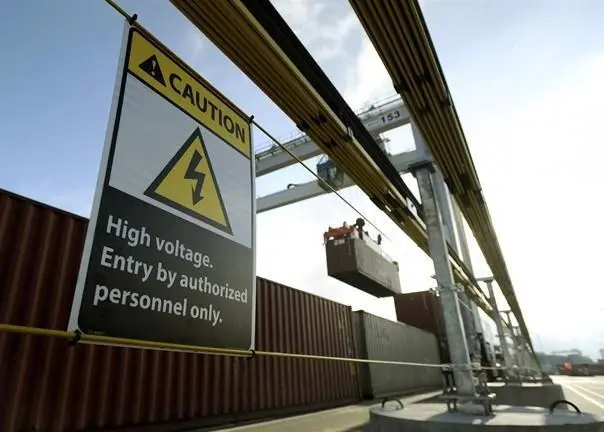
GPA is the first terminal in the US to introduce all-electric rubber-tyred gantry cranes, something that the authority is particularly proud of, and is currently testing the first liquefied natural gas terminal tractor. “If the prototype works we will convert to LNG tractors in the future.”
On the energy generation front, the authority has studied acquiring its own turbines but still needs to be further convinced before it will take the plunge. Solar developments look more promising: “We’ve run a couple of tests and I think we may have some big opportunities on the solar front over the next couple of years,” says Mr Foltz. “It’s all about a better way of running the business in a more sustainable way.”