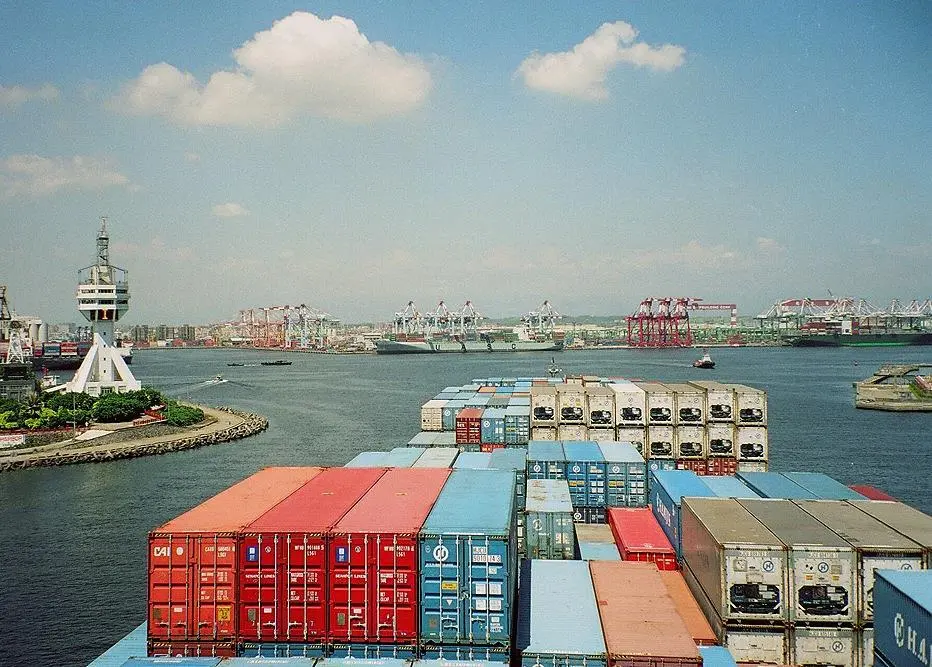
Focusing on four port elements – harbour environment, city/local community development, cargo shipping and tourism – TIPC says it hopes port performances will not only be in line with international trends but also show Taiwan’s “uniqueness”.
Starting this off is the Port of Kaohsiung, the country’s largest harbour, which has been recognised by the European Sea Ports Organisation (ESPO) and has passed the first stage of EcoPort.
The port is now aiming to obtain the second stage certification, Port Environmental Review System (PERS), while other ports will also be trying for EcoPort certifications.
These are part of TIPC’s recently launched Taiwan Greening the Ports Action Plan, the purpose of which is to increase profitability and competitiveness and create environmentally-friendly port areas.
Under the new plan, TIPC’s harbour vessels are using low sulphur fuel and shore power to improve air quality in and around the ports. The port of Taipei and Keelung have already adopted shore power, while the Port of Su-ao is in the process of improving infrastructure to provide shore power in the future.
Other initiatives already implemented include lighting in the Port of Kaohsiung being replaced with LED, waste sorting and reduction and improving port experiences with nearby communities.
TIPC was established in 2012 when public authority and business management were combined together under the Ministry of Transportation and Communications.
The two units are now separated. The Maritime and Port Bureau (MPB) acts as part of a government body in charge of the maritime and port-related public administration, while TIPC is an independent business managing seven Taiwan international commercial ports: Keelung, Taichung, Kaohsiung, Hualien, Taipei, Su-ao and Anping.