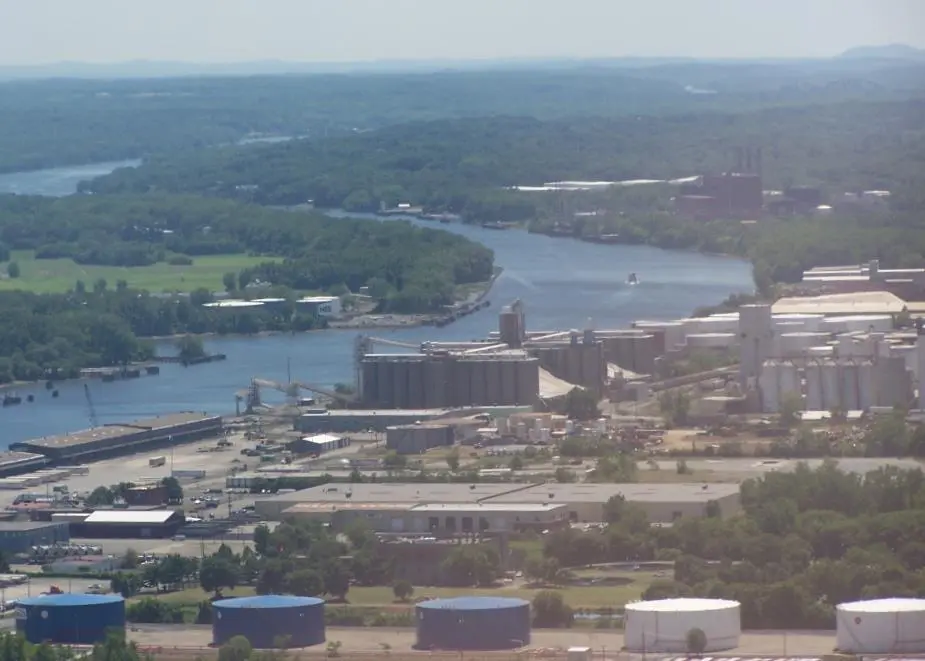
For a long time the port in New York has been a commodity hub for gasoline and heating oil ferried around in 42,000 gallons (1,000 barrel) lot sizes. Thus, we have a thriving barge industry which delivers cargoes that have been bought and sold many times onward to final destinations.
Basically, about a dozen terminals – nearly all in New Jersey – serve as delivery points for gasoline, and maybe two dozen (also mainly west of the Hudson River, but also a few in the Bronx) are hubs for ultra-low sulphur diesel cargoes. Allowing deliveries of crude oil, if it’s indeed added to the roster of New York area cargoes, would be a very positive development for the region, putting it firmly on the energy map.
But unlike gasoline (or diesel fuel/heating oils), crude oil with its nasty connotations, may not be top of mind.
The upcoming debate, which will likely get the Coast Guard and other regulators involved in the conversation, will require that port and allied interests get firmly behind it, and not wither in the face of likely opposition from those who would ban fracking, if they had their way.
Local maritime interests of all stripes would benefit from the increased commerce; the railroads (including CSX, looking at a terminal slightly south of Albany) would also see increased business.
Political battles are won by the folks who can shout the loudest. Usually, the winners are well meaning but overly zealous environmental interests whose good deeds would stifle trade. Ergo, guess who sulks back to the ‘losers’ corner?
So, instead of taking the gloves off after a battle starts, port interests should come out on the offensive, never putting the gloves on in the first instance. This new mode of working will mean working cooperatively, and making sensible deals with those who desire to protect the environment, and negotiating reasonable concessions that do not impede the flow of cargo.
However, it will be important for maritime and shipping people to take the lead in the discussion and get organised first, including bringing in cheerleaders for trade in the region, rather than reacting, and often backing down, after the protests start – the usual maritime mode.