Developed by GoodFuels, the second-generation bio-fuel oil is completely derived from forest residues and waste oil products. It is expected to deliver 80-90% well-to-propeller CO2 reduction versus fossil equivalents, and virtually eliminates sulphur oxide (SOx) emissions – without any requirement for engine modifications.
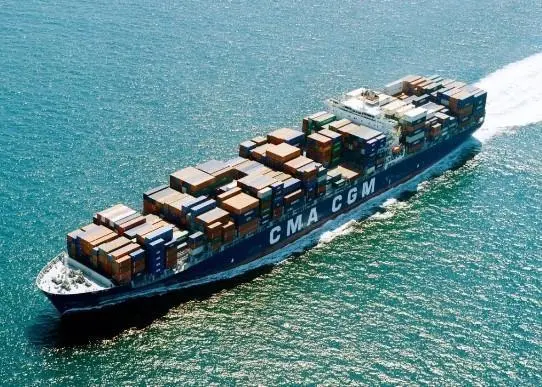
Overseen by project partners, IKEA Transport & Logistics Services, CMA CGM and the Port of Rotterdam, and facilitated by fourth project partner, the GoodShipping Program, testing will commence with bunkering of the marine bio-fuel oil on a CMA CGM container vessel at the Port of Rotterdam on 19 March.
Elisabeth Munck af Rosenschöld, head of sustainability at IKEA Global Transport & Logistics Services, said: “Through our pilot we want to show that the means for decarbonisation in terms of alternative fuels are available.”
She added: “With a successful pilot completed, our intention is to put the equivalent of at least all our containers out of Rotterdam on biofuel.
Robust research
The sustainable marine bio-fuel oil has already undergone three years of intensive testing with marine engine manufacturers.
Allard Castelein, CEO, Port of Rotterdam, added: ” This bunkering shows that decarbonisation of sea trade is well achievable.
He said that to support industry decarbonisation initiatives, the port will spend the next four years investing €5m on specific projects to reduce carbon dioxide emissions from the global shipping industry.