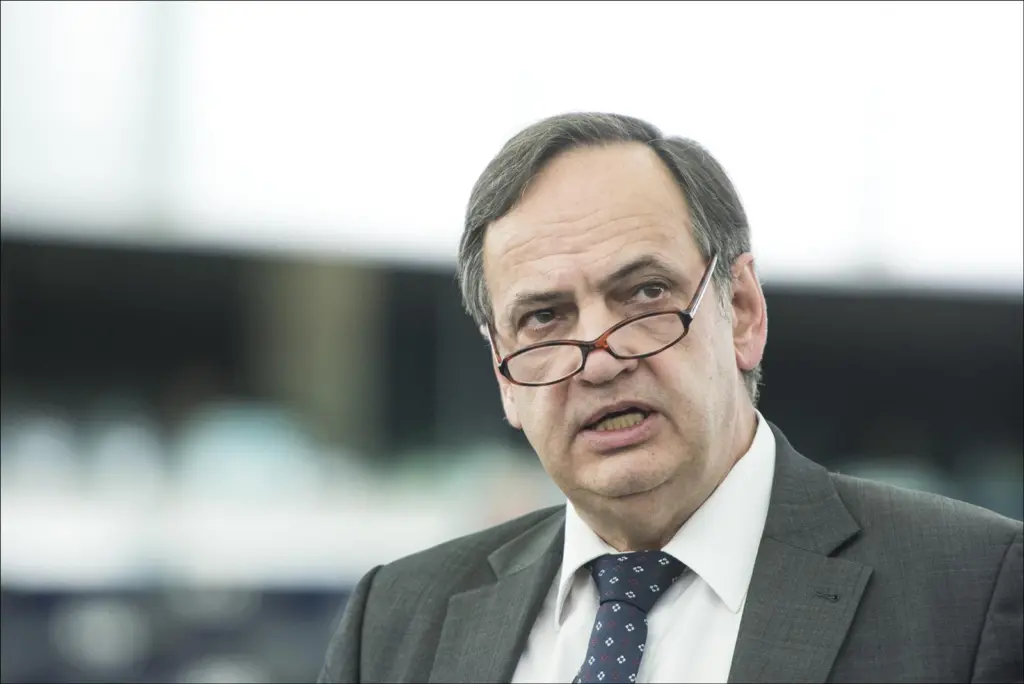
First, rapporteur Knut Fleckenstein saw his report adopted by members of the European Parliament’s transport committee – but, in a subsequent vote, he failed to secure a mandate to negotiate on the text with the European Council, which would have been the next stage in the process. He was just one vote short of a majority, with 24 out of 49 MEPs supporting taking it forward.
Mark Watts, director at Luther Pendragon, which acts as consultant to the UK Major Ports Group, said: “There is a bit of an impasse, with opinion heavily divided on the way forward.”
This could be ‘the beginning of the end’ for Europe’s third attempt at introducing port regulation, he suggested.
A spokesman for Associated British Ports said: “The refusal of MEPs to give the rapporteur a mandate to begin negotiations with the Council shows that profound problems remain with this one-size-fits all approach.
“The text remains entirely inappropriate for private ports and consequently we shall continue our opposition. But it’s clearly not just private ports that have concerns about the regulation; transient political expediency to get the regulation even this far has produced a text bound to create legal uncertainty and work against the interests of the wider ports sector across Europe.”
Mr Watts said it was still possible the legislation could go ahead, but added: “The proposals have been holed below the water; they are in a very fragile state.”