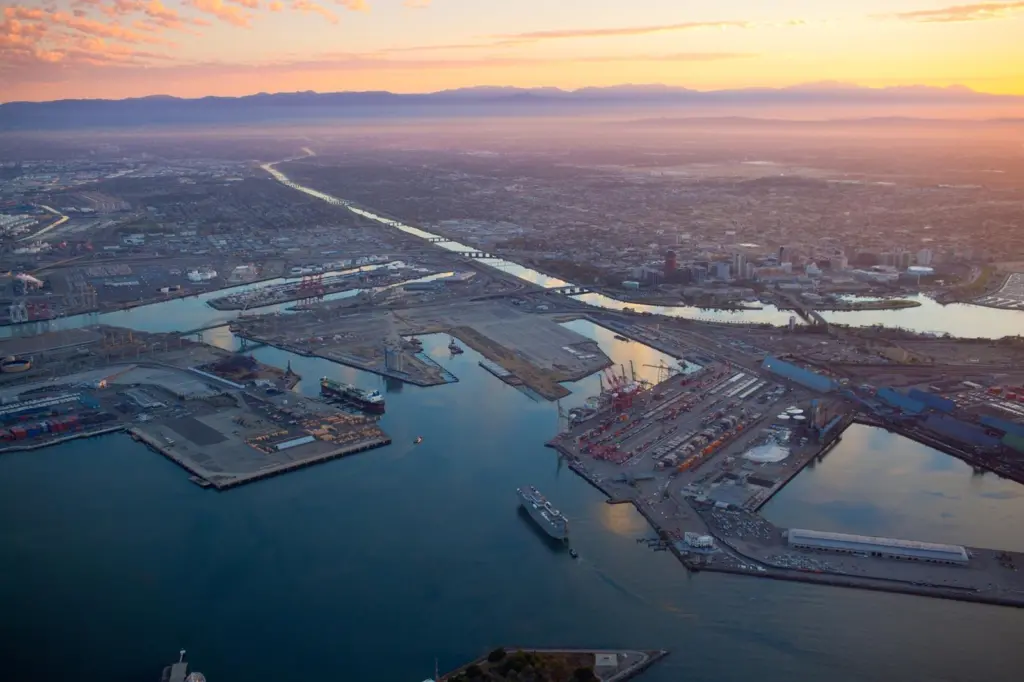
Despite pollution around the port being dramatically decreased over the last decade, the 2015 annual inventory of port-related air emissions said that the rise in emissions was down to the unusual number of vessels at anchor due to terminal congestion through the first quarter of 2015.
“The latest emissions inventory shows the effects of last year’s congestion and increased ships at anchor. Thanks to labour and shipping partners, we cleared the backlog quickly,” said Lori Ann Guzmán, harbour commission president.
She added: “While we’ve had challenges, we continue to be committed to reaching our goal of zero-emissions operations.”
“We are steadfast in our commitment to improving air quality for the region now and over the long term as evidenced by our recently approved $46 million mitigation grant programme.”
The study, which was conducted by an intendent consultant, found the port’s aggressive actions to curtail pollution had decreased diesel particulate matter by 84% since 2005, a slight decrease from the 85% reduction reported in 2014.
Sulphur oxides were 97% lower, the same level reported in 2014, while smog-forming nitrogen oxides and greenhouse gases were down 48% and 14% compared to the 50% and 21% in the previous year.
It was noted that annual container traffic increased 7%, or 296,000 teu, during the same period.
Since 2005 the Port of Long Beach has worked hard to improve air quality, with plans such as the Clean Trucks Programme, low-sulphur fuel regulations for ships, increased use of shore power for cargo ships and the port’s Green Flag Vessel Speed Reduction Programme.