Continental and marine seepage of this greenhouse gas is a research issue of global importance because apparently the gas is said to be 21 more times more powerful at warming up the atmosphere than carbon dioxide.
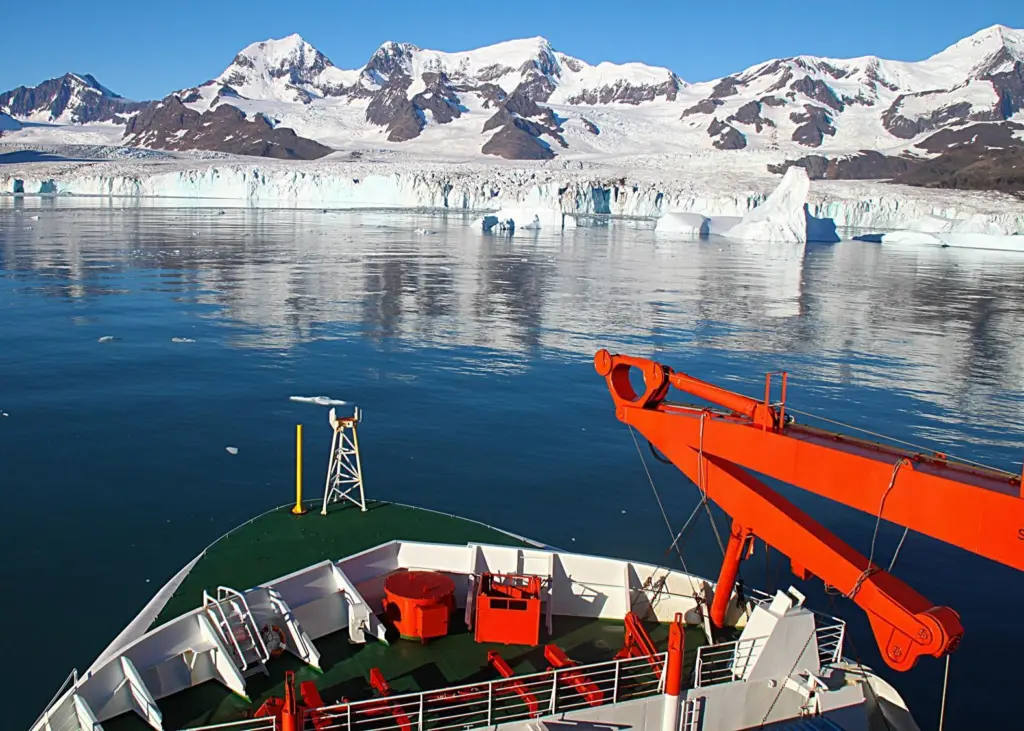
The team led by chief scientist and MARUM researcher, Gerhard Bohrmann, conducted the research using an echo sounder onboard the German vessel Polarstern back in 2013.
Gerhard Kuhn, deputy chief-scientist and researcher at the Alfred Wegener Institute, Helmholtz Centre for Polar and Marine Research in Bremerhaven, said: “On our echograms we found evidence of sub-seafloor chimneys tens of metres below the surface that act as conduits to channel methane bubbles into the water column.”
The scientists said that these methane seeps off South Georgia differ from those near the Arctic island of Svalbard, which were the subject of earlier expeditions by MARUM and other international research teams. There the gas-bubble plumes do not reach the upper water layers or the atmosphere and are not thought to contribute to the greenhouse effect.
These new findings will add to a long and steadily growing list of known methane seep areas in the world’s oceans. The research team is already planning another expedition into Antarctic waters, as many research questions remain unresolved including how these seeps might be affected by tides, storms, earthquakes, and other parameters.
The research was recently published in the Earth and Planetary Science Letters.