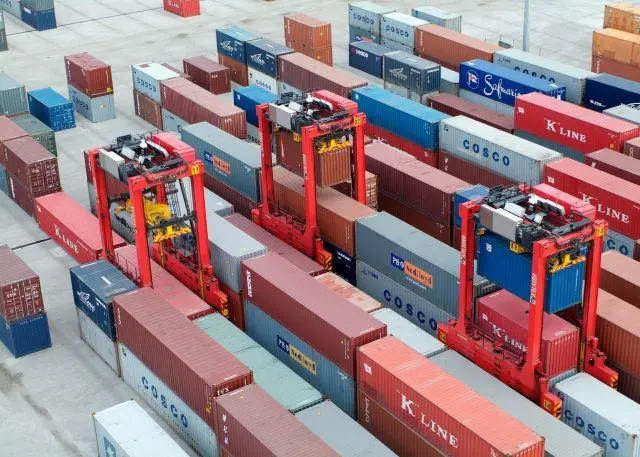
This is the findings of a Navis customer survey which found nearly 75% of terminal operators believe that automation in some form will be critical to stay competitive in the next 3-5 years.
“Within the next 20 years, I believe it’s not only possible, but likely, that we’ll see a fully autonomous transport chain. This could extend from loading and stowage of the container, autonomous sailing to its destination, unloading by automated cranes and then finally being loaded on to autonomous trucks and trains for the final destination,” said Raj Gupta, CTO of Navis.
Wide scope
The ‘Challenges and Opportunities for Automation’ TechValidate survey focused on current views on the importance of automation, future plans for automation projects, perceived benefits and challenges, as well as projected improvements to productivity and operational costs achieved through automation.
Respondents believe automation can help them realise increased operational safety (65%); better operational control and consistency (62%); lower overall terminal operational costs (58%); and increase operational productivity (53%). However, the challenges cited by respondents are the costs are too high (68%); there is lack of skills or resources to implement and manage automation (52%); challenges with labour unions (44%); and the time it takes to implement (30%).
Respondents were positive about the potential ROI overall, with 30% believing automation could increase productivity by 26-50%; 29% believing automation could increase productivity by 16-25%; 19% believing automation could reduce operational costs by more than 50%; 29% believing automation could reduce operational costs by 26-50%; and 33% believing automation could reduce operational costs by 16-25%.