Regulations on fugitive dust emissions in Brazil can be strict, particularly in high-traffic or densely populated area. In addition, agricultural grain dust emissions possess allergenic
properties over and above the common air quality concerns.
T-Grão Cargo, located at the busy Port of Santos in São Paulo, Brazil, processes more grain (malt, wheat, soy and maize) per square metre than larger competitors, making it the most efficient operation of its kind in the country.
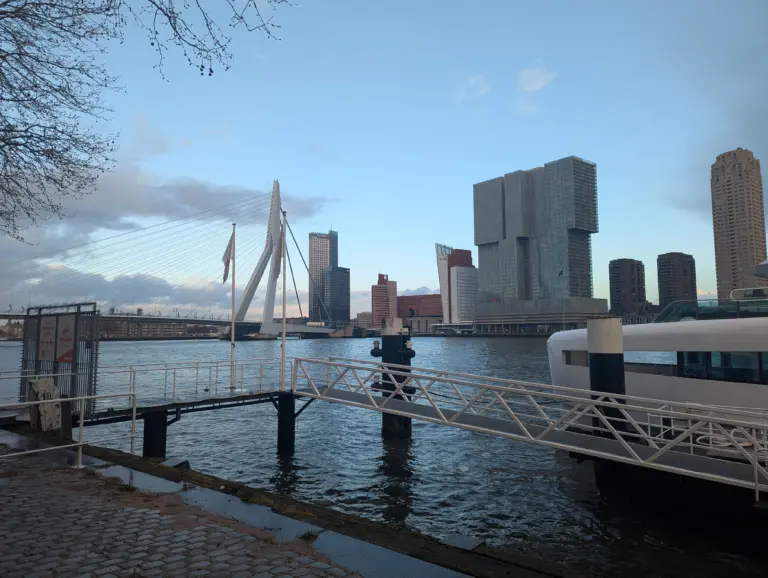
“As our production has increased over the years, so have fugitive dust emissions,” says Vinicius Pina, Operations Director for T-Grão. “We have a complicated geographic position, because we are between a passenger terminal to the north and the Brazilian Navy to the south, and across the street from the port authority. We’ve worked closely with regulators and neighbors to address air quality issues.”
Particles and people
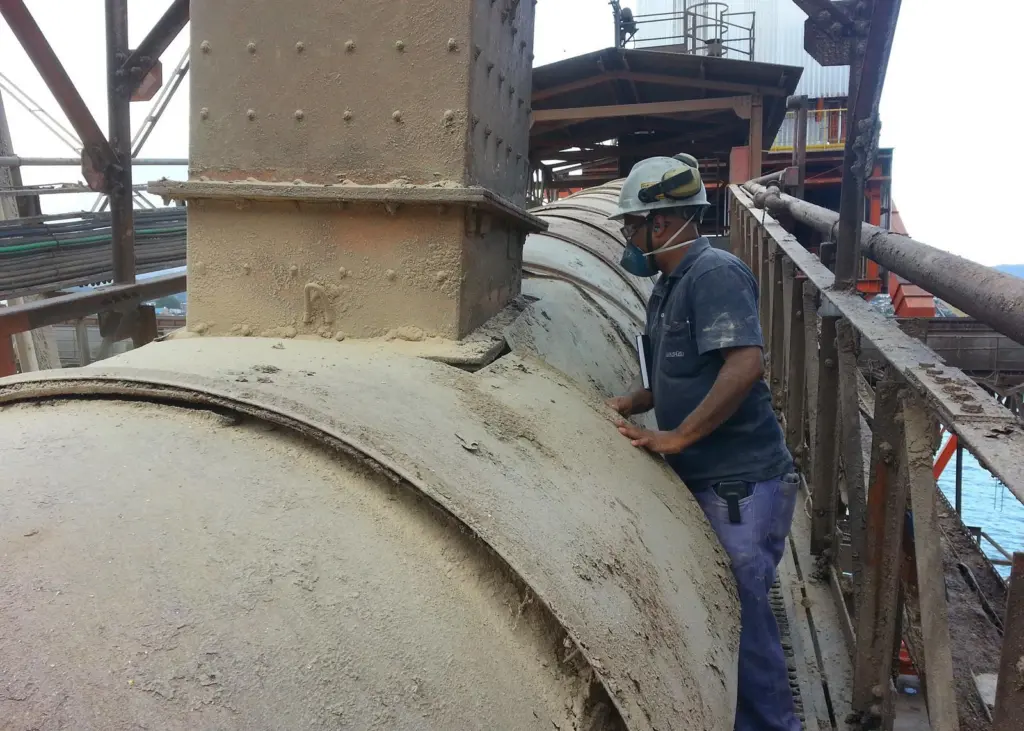
Transfer points for grain at T-Grão range from 10-15m in height. As dry organic material was dropped from one belt to the next, the impact created turbulent air pressure that forced dust out of openings in the chute. The fugitive emissions significantly lowered air quality and visibility in the immediate work areas, forcing workers to wear protective masks when working around any part of the conveyer system. The dust often travelled beyond the site line due to exposure to prevailing winds.
“Complaints were fairly common, and our proximity to the port authority allowed an immediate response from inspectors,” Pina says. “When we received a complaint, we acted to address the issue right away, but we needed a long-term solution.”
Operators first sought an answer to the dust by bringing in an equipment manufacturer that installed a transfer chute. This was intended to contain dust from the discharge flow as it fell onto the belt. What it did not do was control emissions at the loading zone, where the impact would cause plumes of dust to escape. The dust filtration system attached to the settling zone chute was inadequate, due to the volume of emissions and a poor chute design.
“In any given week, the dust system required maintenance one day and broke altogether the next,” explains Pina. “At one point, a breakdown caught us unprepared at a critical moment and resulted in costly unscheduled downtime.”
Rethinking the transfer point
With complaints still periodically coming in from neighbours and ongoing internal air quality issues, T-Grão turned to three suppliers to propose solutions. Technicians from Martin Engineering examined every component of the conveyor system, from efficiency to safety, and discovered that, due to the height of the transfer chute, dust created by the impact of material was most turbulent at the loading zone.
Technicians made a series of transfer point recommendations for controlling air flow and reducing carryback, which is essential for decreasing dust emissions. Following a detailed report and proposal, T-Grão managers agreed that a total transfer point solution was needed. Beginning with a tail sealing box, the solution included a skirt board cover, dust bags, impact cradle, slider cradles, track-mount idlers and a belt tracker, completed by a heavy-duty belt cleaner.
When the system was activated, operators immediately observed significant results. As material moved through the system, particulates remained within the enclosure and either collected in the dust bag or settled back into the cargo flow. Along with less carryback on the return side of the belt, dust was drastically reduced in the immediate area around the conveyor system at both the loading and discharge zones. “It was a substantial improvement over the previous design,” Pina says. “The staff no longer needs to wear protective gear just to enter the area, and visibility is improved.”
After a lengthy observation period, operators report that there has been less downtime for cleanup and maintenance, as well as improved workplace safety. In addition, managers have enjoyed a reduction in complaints from neighbours and less scrutiny from authorities inspecting the port for air quality.
“Our dust control efforts have set an example that is now being considered by terminals up and down the port,” Pina concluded. “We are now planning to install a similar design on several of our other transfer points.”