

Alternative fuel tool
A tool is being developed to pinpoint which alternative fuels are available at which ports
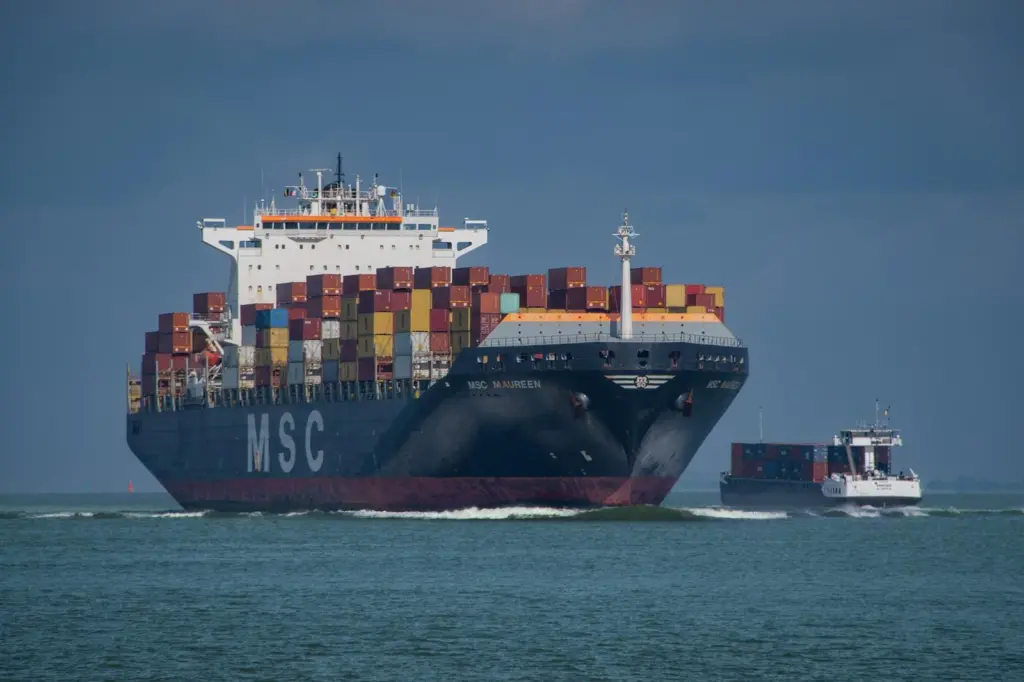
The new tool is being developed in response to the maritime industry facing a fragmented future zero-emission fuel landscape with investment decisions being stalled by a lack of clarity over which ports are offering which alternative fuels.
“The operating landscape for ports and vessel operators is becoming increasingly complex and there is an urgent need for clarity about any limitations around port calls by vessels using alternative fuels,” Namrata Nadkarni, chair of the World Port Climate Action Programme (WPCAP)’s Working Group on Sustainable Fuels, told the International Chamber of Shipping.
“Operators want to know whether their vessel will be able to call at a particular port, the services they can expect at individual terminals, and if the port in question intends to expand these services in the future.”
Informed decisions
WPCAP and it’s programme partners (including the Port of Rotterdam) have designed the tool, named Port Readiness Level for Alternative Fuels for Ships (PRL-AFS), using a similar nine-level format to the widely accepted Technology Readiness Level (TRL) developed by NASA.
The framework will track the progress of ports and their ability to offer port call or bunkering services that would lead to its eventual status to accommodate vessels using specific alternative fuels, such as hydrogen or ammonia. The WPCAP Working Group for Sustainable Fuels is also creating guidance for the considerations at each of the nine levels, including safety, governance, social engagement and commercial factors.
WPCAP’s Sustainable Fuels working group will be stress testing the PRL-AFS and accompanying guidance in the coming months and will be seeking stakeholder feedback across the decarbonisation value chain. It will also assess the applicability of the PRL-AFS tool for ports offering maintenance, repair and industrial services.
As highlighted in the International Chamber of Shipping (ICS) report, Fuelling the Fourth Propulsion Revolution, shipping will play a fundamental role in delivering alternative fuels globally and act as an enabler for governments and industries to achieve their climate targets.
As such, the ICS said that it is vital that governments and port authorities account for shipping’s future fuel needs, as well as their own zero carbon emission trading needs, in their port investment and infrastructure plans.
Related Articles
 ALTERNATIVE FUELS GREENPORT
 ENERGY & TECHNOLOGY GREENPORT
 ENERGY & TECHNOLOGY GREENPORT