



Emissions monitoring technology
There’s a new partnership in the USA working to deply emissions monitoring technology.
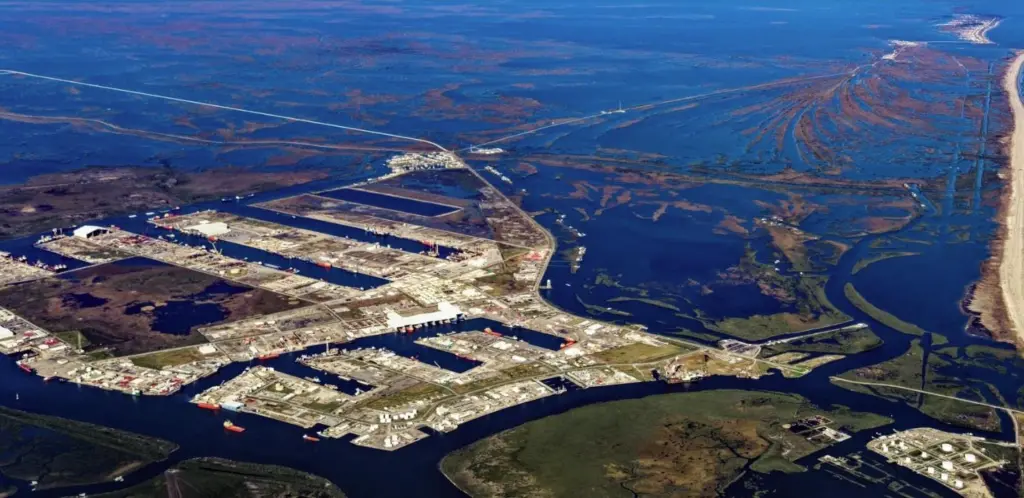
The Greater Lafourche Port Commission (GLPC)’s is working with SailPlan, an emissions monitoring outfit, to give it a precise 360-degree view of emissions at the port.
“Before you start optimising, you’ve got to understand your problem, and the opportunities to optimise what you can fix and what you can’t fix,” said Jacob Ruytenbeek, SailPlan’s founder, told New Orleans Radio.
Emissions benchmark
Four months ago, sensors were installed across the port to conduct real-time air monitoring, track emissions at different locations and see their origin.
Following the rollout of the technology, SailPlan precisely measured the port’s direct and indirect emissions and air quality data in real-time.
The port said it’s still gathering data and have yet to set any firm decarbonisation goals, but a plan will come in time. SailPlan will also look to help the port strategise after establishing a baseline.
Emissions monitoring at ports is somewhat of a new thing for some smaller American ports, According to the Ocean Conservancy, air monitors still aren’t widely used. Instead, companies rely on estimates based on how much fuel their ships use, which often leads to undercounting.
Mr Ruytenbeek said the maritime industry faces increasing pressure to lower emissions after neglecting for decades to do any tracking and the oil and gas industry that Port Fourchon’s clients serve is in the same boat.
”If offshore service companies show they’re lowering their footprint, they become attractive to bigger oil and gas companies and seaports like Fourchon can help their customers do it,” he said.
Related Articles
 ENERGY & TECHNOLOGY GREENPORT
 PROJECTS & INITIATIVES GREENPORT
 ALTERNATIVE FUELS GREENPORT