


Green hydrogen hub
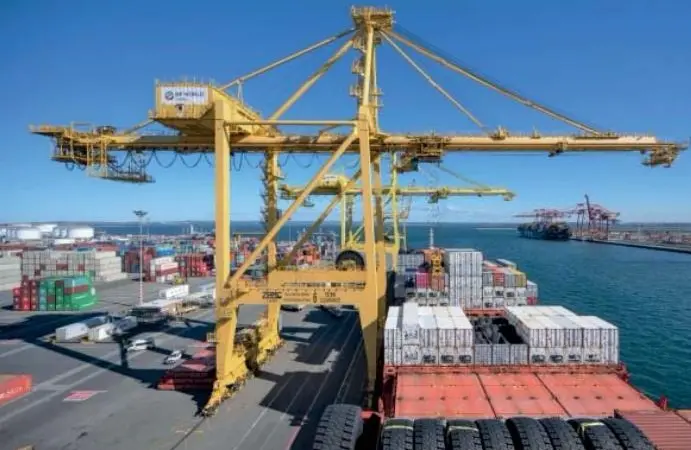
Australia’s Port of Newcastle is to become a green hydrogen hub.
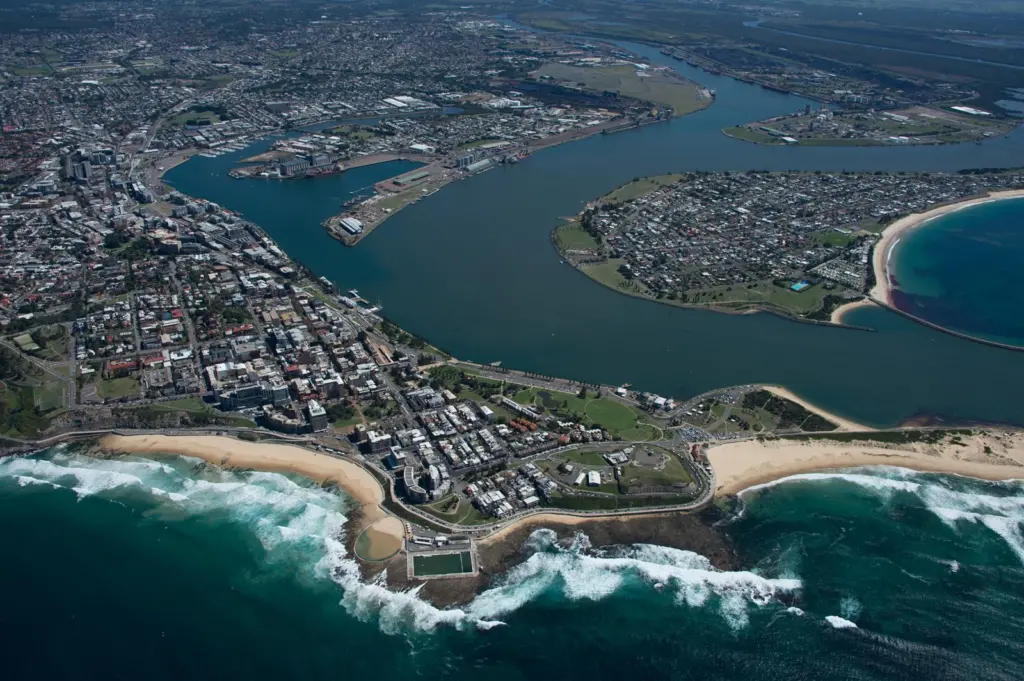
The port is partnering with Macquarie Capital, Macquarie’s Green Investment Group and the Australian Renewable Energy Agency (ARENA) to support the development of a hydrogen economy in the Hunter Region.
The Port of Newcastle Green Hydrogen Hub will initially be underpinned by a 40 MW electrolyser which can generate sufficient green hydrogen to power 900 buses for a year and will over time, increase to a capacity of over 1 GW.
Green investment
The joint venture is currently progressing with an ARENA-funded feasibility study and has been working with a range of project partners to develop comprehensive potential domestic uses for green hydrogen in the Hunter which build on the region’s strong industrial heritage.
These include bunkering, energy production, transport and industrial applications as well as having strong export potential. The Port of Newcastle is well-positioned geographically to establish a supply chain to key consuming Asian countries, such as Japan.
Production is envisaged at a scale necessary to position the Hunter at the centre of the emerging global green hydrogen economy.
A total of AUS$163 million is expected to be invested in the project, which recently received a vote of confidence with a AUS$41 million grant awarded as part of a federal government programme to support the initial development of clean hydrogen industrial hubs in Australia.
It complements government funding for hydrogen readiness, which will focus on preparing the land and infrastructure needed for the project.
Port of Newcastle CEO Craig Carmody says this has huge significance for forward planning.
“By 2025, we hope to have Phase 1 of the Hydrogen Hub complete, which will benefit a range of local industry and position the Hunter Region to be a key player in the emerging hydrogen opportunity,” Mr Carmody says.
Macquarie Green Investment Group’s Global Head of Industrial Transition and Clean Fuels Kate Vidgen says the importance of hydrogen as a decarbonisation pathway continues to emerge globally – “Successful projects will rely on strategic sites with local demand and clear paths for scale over time and [this announcement] underscores Newcastle’s world-class capability in this field.”
World leader
Australia is positioning itself to be a world-leader in hydrogen development and exports, and the Hunter region is seen as critical to realising this potential as well as helping the country to meet its emissions reduction targets.
Port of Newcastle chair Professor Roy Green underlined the importance of green hydrogen in the port’s future strategy.
In an address to Shipping Australia’s New South Wales Parliamentary Luncheon he said Newcastle intends to play a huge role in the development of hydrogen and its scaling up for export within a matter of years.
“We have a public commitment to have the port hydrogen ready by the end of 2024,” he says.
In 2020, the Port of Newcastle broke new environmental ground for maritime authorities in Australia and New Zealand by becoming the first in the region to be certified by EcoPorts, the global environmental and sustainability standard for the ports sector.
Newcastle passed the certification tests set by EcoPorts under its Port Environmental Review System (PERS) following stringent independent tests by Lloyd’s Register to measure the port against best practice management around the world.
The Lloyds Register audit specifically looked at the port’s profile and environment policy statement, its register of environmental aspects and legal requirements, its responsibilities and resources related to environmental aspects, examined its key performance indicators, reviewed its conformity with legal requirements and its processes for environmental reporting, and looked for examples of best environmental practice.