![GreenPort[PortStrategy]](https://www.portstrategy.com/greenport/wp-content/uploads/sites/4/2026/09/GreenPortPortStrategy.svg)
Green loan drives port electrification
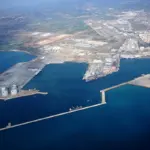
DP World has secured a €25 million green loan from the European Bank for Reconstruction and Development (EBRD) to accelerate port electrification at its Constanța South Container Terminal in Romania.
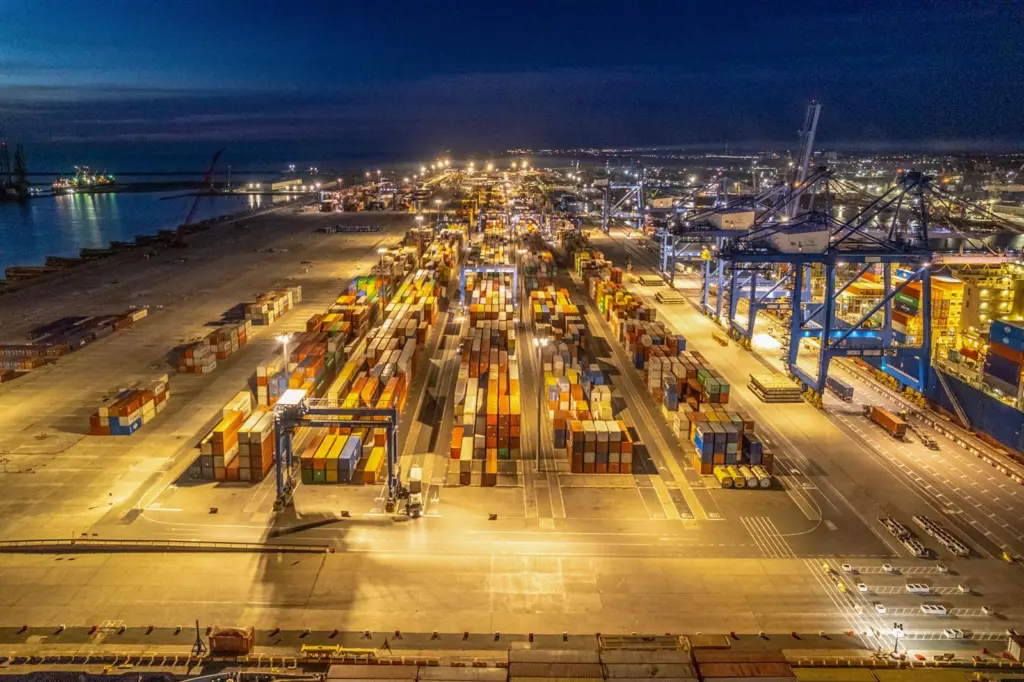
The port finance package forms part of a €100 million investment programme to modernise port infrastructure, replacing diesel-powered assets with electric port equipment, installing shore power and cutting annual CO₂ emissions by more than 6,000 tonnes.
“In today’s trading environment, the most competitive ports are the most sustainable ports. This investment reflects that fact by aligning the growth of the Constanța South Container Terminal with DP World’s global commitment to reducing emissions,” said Svitlana Balaban, CEO of DP World Constanța.
“By electrifying our operations, we are not just helping customers build more resilient and sustainable supply chains, we are also strengthening Constanța’s position as the Black Sea’s leading green container hub.”
Core infrastructure
The programme combines EBRD financing with European Union and Romanian government grants.
First phase of the investment, worth €53.8 million, will deliver the core port infrastructure required for electrification, including new electrical networks, transformer and distribution facilities, shore power systems, a connection to the main port power station, rehabilitated access roads and ten electric terminal tractors with charging infrastructure.
A second €46.2 million phase will introduce additional port equipment, including electric remote-operated rubber-tyred gantry cranes, two electric mobile harbour cranes and more electric terminal tractors.
The loan represents the first dedicated green financing in the terminal’s history and builds on DP World’s wider investment strategy in Constanța.
It folloes the opening of new project cargo and roll-on/roll-off terminals in 2024 and completion of a 119,000m² multimodal platform in late 2025, further strengthening the port’s position as a key Black Sea logistics gateway.
Related Articles
 ALTERNATIVE FUELS GREENPORT
 ENERGY & TECHNOLOGY GREENPORT
 PROJECTS & INITIATIVES GREENPORT