




Shore power challenges
There is much discussion about the way forward for shore power in the UK
Jonathan Moss, partner and head of marine and trade at DWF, has commented on the challenges of shore power in response to news that the UK government is calling for evidence on its benefits.
“Introducing onshore power sources whilst ships are berthed would be a positive contribution to cutting toxic emissions that enter the air, supporting the decarbonisation of shipping,” he said.
Currently ships at port keep their idling diesel engines running to power crucial amenities. The exhausts from these diesel engines produce CO2 and other air pollutants as well as noise pollution and vibration, harming the health of the ship’s crew, as well as people living and working near ports and terminals.
’Eradicating apprehensions’
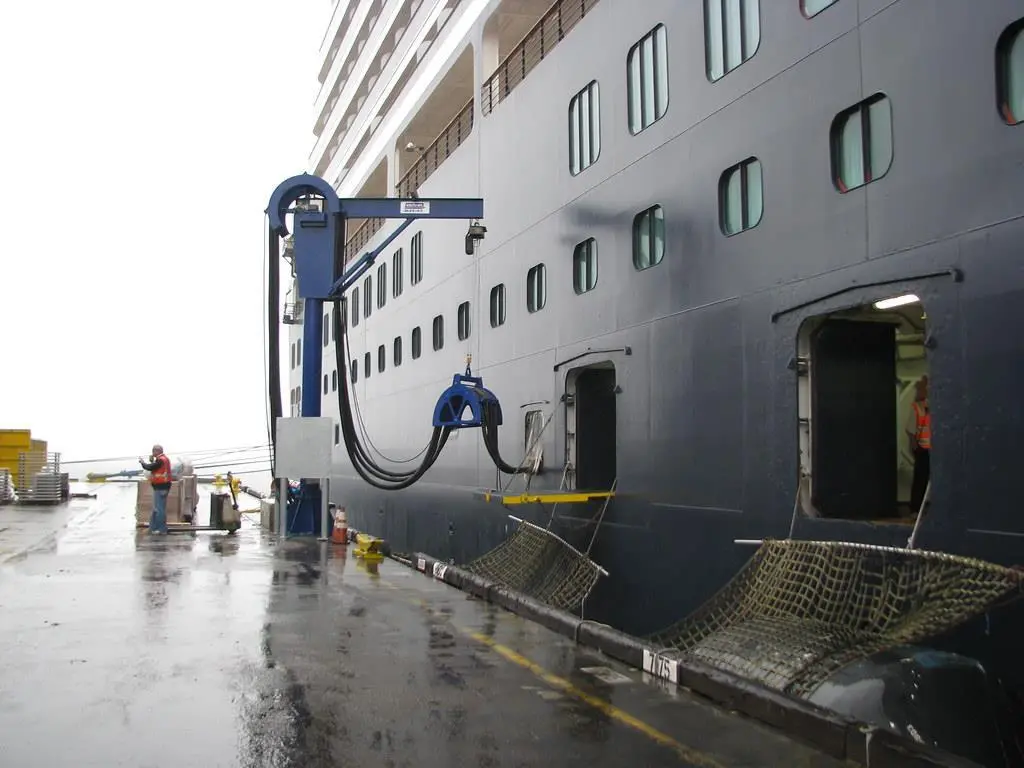
Shore power, also known as cold ironing, connects the ship to an energy source at port, allowing vessels to shut down their engines, reducing emissions and other pollutants. If wind turbines or other renewable sources were used, this could be a near 100% emissions-free activity. “While the goals of the decarbonisation of shipping programme by 2040 and the Paris Agreement are considered ambitious by many, the introduction of onshore power could eradicate these apprehensions,” said Mr Moss.
However, costs for providing onshore power supply will be significant, warns Mr Moss. Vessels differ and older ships will not have been built with onshore power in mind. Moreover, no international standard is in place and power supply differs around the world.
‘Muted voices’
“There needs to be a clear desire from all shipowners and cargo owners to encourage investment and research and development,” said Mr Moss. “So far the voices from the industry are somewhat muted in parts. The pace of technological advancement needs to quicken.
“The shipping, finance and technology sectors and governments must work together and commit both financial resources and skilled manpower for the projects. The compliance and regulatory framework needs to encourage change and not stand in the way of companies reaching decarbonisation goals,” he said.
There are positive changes already being seen in the industry. “Most European ports have joined ESI [Environmental Ship Index] programmes, with 4,000 vessels globally installing environmentally friendly technologies, including shore power,” said Mr Moss. “Prioritising port sustainability and social responsibility will be key to the future development of ports which are dedicated to reducing toxic emissions.”
Related Articles
 ENERGY & TECHNOLOGY GREENPORT
 ENERGY & TECHNOLOGY GREENPORT
 ENERGY & TECHNOLOGY GREENPORT