


UK terminal goes vegetarian
A container terminal has become the first in Britain to transition to vegetable oil
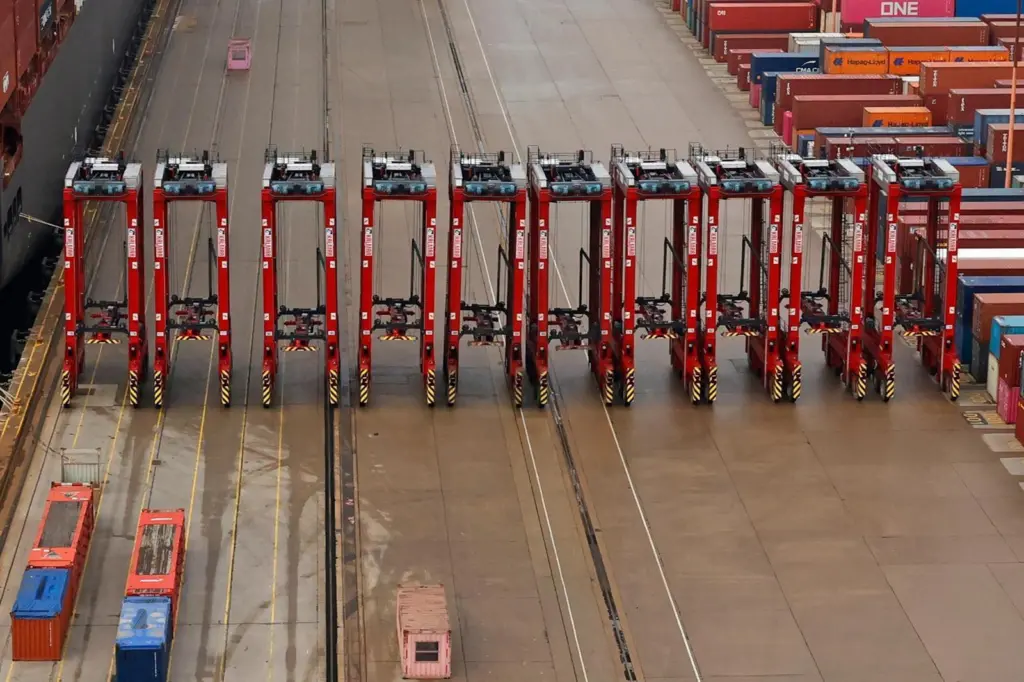
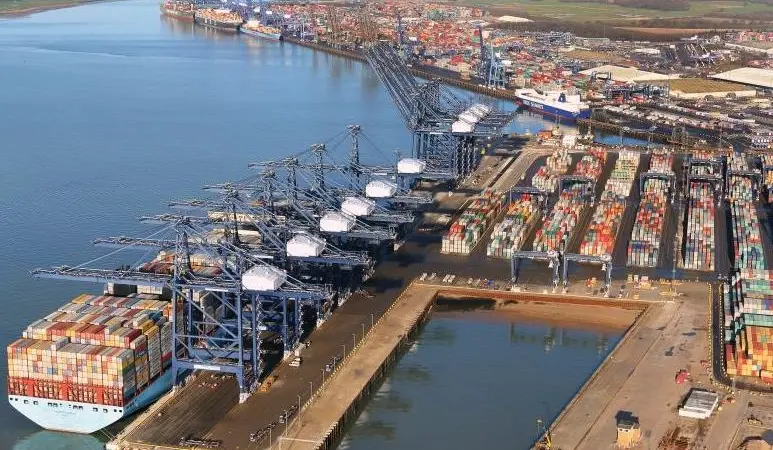
DP World’s container terminal at Southampton has eliminated fossil diesel from its operations entirely and transitioned to Hydrotreated Vegetable Oil (HVO).
“This innovation shows our determination to continue playing our part in helping the UK meet its target of delivering the Government’s Net Zero 2050 policy and improving local air quality,” said John Trenchard, UK supply chain director at DP World.
“We estimate that using HVO will save around 14,000 tonnes of carbon dioxide on an annualised basis – the equivalent of taking over 8,000 family cars off UK roads each year. We have a clear responsibility to reduce the impact of our operations and offer customers solutions that support their own sustainability journeys, which is why we are working with our supply chain partners to accelerate the transition to green energy.”
Carbon cutting
Diesel previously accounted for 90% of the terminal’s emissions, but HVO will eliminates more than 80% of net carbon dioxide emissions at the operation, as well as significantly reducing nitrogen oxide, particulate matter and carbon monoxide.
Mr Trenchard said that together with DP World London Gateway, both terminals collectively take 300,000 trucks off UK roads each year and every additional daily train the operator fills saves up to 6,000 tonnes of carbon dioxide per year.
DP World first trialled HVO last year, using the fuel in its forklift trucks, reefer (refrigerated unit) generators and straddle carriers.
Electric and hydrogen power are other examples of alternative energy sources that are being researched and trialled across the operator’s global terminals.
The operator’s new Berth 4 at London Gateway could be 100% electric when it is completed in 2024.
Related Articles
 ALTERNATIVE FUELS GREENPORT
 ENERGY & TECHNOLOGY GREENPORT
 ENERGY & TECHNOLOGY GREENPORT