





US acts on clean energy aims
The American senate has voted in a new bill which will boost clean energy ambitions and create greener ports for the country.
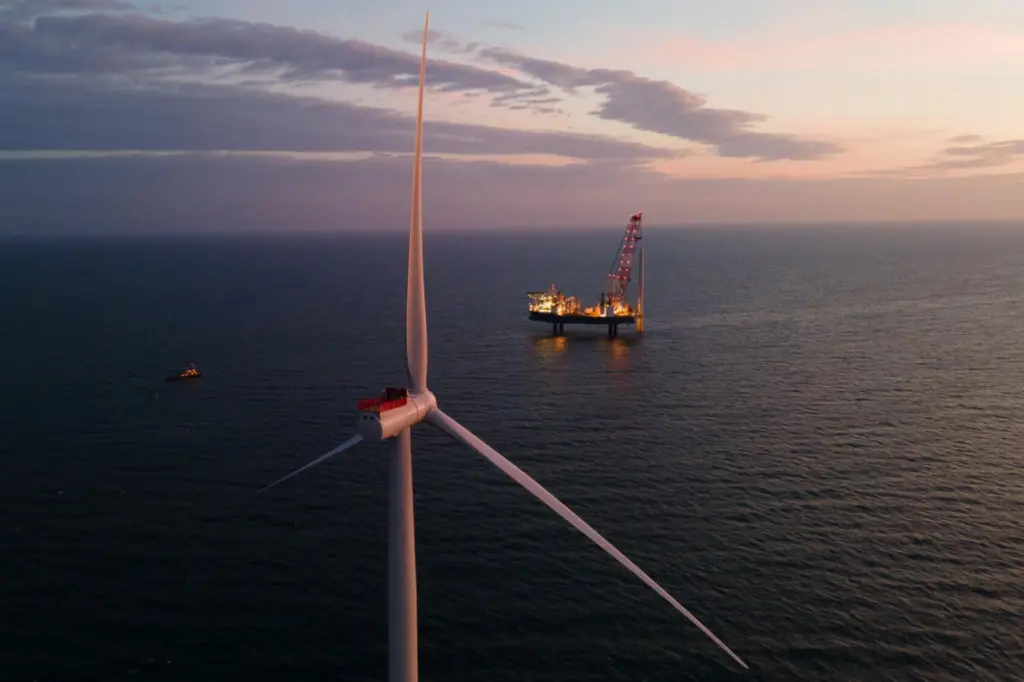
The Inflation Reduction Act (IRA) will pay out an estimated US$485 billion on climate, energy, infrastructure and health care initiatives – including substantial incentives for the development of offshore wind capacity.
The budget reconciliation bill also includes US$3 billion in grant money to install electrified equipment and reduce emission at seaports which the American Association of Port Authorities (AAPA) has called an “enormous win for the American port industry and US supply chains.”
“This federal grant program will signal to equipment manufacturers and private investors that this electrification technology at ports will be ubiquitous in the coming years,” AAPA said in a statement.
Renewables boost
Heather Zichal, CEO of the American Clean Power Association, said the Act provides unprecedented multi-year policy certainty for clean energy.
“This is the vote heard around the world. It puts America on a path to creating 550,000 new clean energy jobs while reducing economy-wide emissions 40% by 2030. This is a generational opportunity for clean energy after years of uncertainty and delay,” she said.
”This unprecedented investment in clean energy will supercharge America’s clean energy economy and keep the United States within striking distance of our climate goals.”
The Act extends an existing investment tax credit of 30% which keeps that credit going forward and supplements it with a broad array of supportive tax measures like extra deductions for US manufacture and apprenticeship programmes.
It also introduces an advanced manufacturing subsidy for a range of American renewable-energy manufacturing, including offshore wind shipbuilding, yards will now be able to deduct 10% off the sale price of the vessel. There will be similar subsidies for the production costs of tower foundations, inverters, batteries and other key equipment in the offshore wind supply chain.
Importantly, the Act also opens up the geography of leasing activity allowing the Department of Interior to resume wind lease sales off the southern Atlantic seaboard and expands it to cover US overseas territories for the first time including Puerto Rico, Guam, American Samoa, the USVI and the Northern Mariana Islands.
It also ties offshore wind leasing to offshore oil leasing and requires the federal government to offer oil E&P leases on at least 60 million acres of the continental shelf in the year prior to any offshore wind lease sale.
This new bill is expected to be passed by the House as early as next week.
Related Articles
 ENERGY & TECHNOLOGY GREENPORT
 PROJECTS & INITIATIVES GREENPORT
 ALTERNATIVE FUELS GREENPORT