


A stark reminder to switch to cleaner fuels
Oil spills are a stark reminder of the devastating impacts some of our energy sources have on the environment. The oily, sticky slush which pollutes the water and soil and contaminates wildlife is a powerful image of the urgent need for low-carbon and clean sources of fuels, writes Chloe Farand
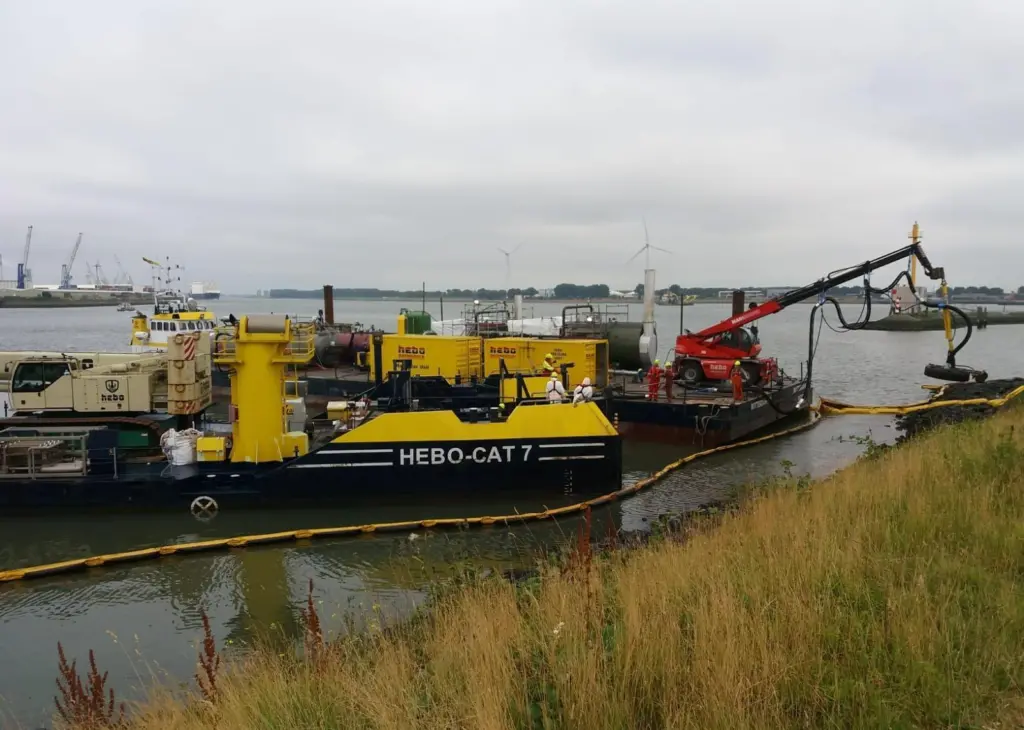
In June 18, a tanker called the Bow Jubail crushed into a jetty in the Port of Rotterdam, rupturing its hull and pouring 220 tonnes of heavy fuel oil into the water. Hundreds of birds were caught in the spill and authorities were overwhelmed with the number of contaminated swans which needed urgent attention.
At the time of the accident, Frank Erkelens, CEO of Odfjell, the Norwegian company which owned the tanker, said the company “sincerely regretted the incident” and added it was focusing on “limiting the impact on the environment”. The Port of Rotterdam is holding the company liable for the spill.
Limiting pollution
Both the port and Odfjell have been working with national partners to limit dangerous pollution but the impacts will be long lasting. Emergency services deployed oil containment booms as quickly as possible but some of the oil had already spread beyond the incident area.
The operation to remove the oil from the water lasted about three weeks, according to Tie Schellekens, a spokesman for the Port of Rotterdam. Mr Schellekens told GreenPort that while most of the port’s activities continued as usual during that time, some of its shores had been contaminated by the spill.
“Some of our shores are in a critical state,” he said. “Because of the heat, the oil has sunk into the stones on the shores and we don’t have the material to clean it.”
Shores can be cleaned using a combination of high-pressure spraying and flushing with 90C water. But this method is less effective with heavy fuel oil of the type that was spilled in the port.
Along certain sections of the shores, the Port of Rotterdam estimated it would be cheaper to replace the shores’ slopes than clean them. Mr Schellekens said at least five kilometres of shores had to be replaced. The full clean-up is not expected to be completed until next summer and the damage resulting from the spill is estimated around €80 million.
Cleaner options
Mr Schellekens pointed out that lighter oil would have been easier to clean-up and that sailing with heavy fuel oil was becoming a dangerous business. “I think this a reminder of the urgent need for the shipping industry to move away from heavy fuel oil to liquified natural gas (LNG) which is much cleaner,” he said.
The Dutch Safety Board has launched an investigation into the causes of the spill and will examine how the clean-up process was handled by all parties involved. The board’s spokesman Wim Van der Weegen said the investigation report, which will not be published before spring next year, will include recommendations over how to improve responses to similar spills.
“The Dutch Safety Board hasn’t got powers to sanction those responsible but in our experience, the companies and authorities involved follow-up on our recommendations and take them very seriously,” he said.
Whether the incident will compel both ports and the shipping industry to call for a swing away from heavy fuel oil to cleaner fuel options will be a measure of how seriously the sector is considering the issue.
Oil spills are localised events which often capture little international attention. And yet, lessons learned from the Rotterdam spill need to be considered as part of global efforts to protect the environment and wildlife of our planet’s waters and oceans.
Related Articles
 ALTERNATIVE FUELS GREENPORT
 NEWS
NEWS