![PortStrategy[GreenPort]](https://www.portstrategy.com/wp-content/uploads/2026/09/PortStrategyGreenPort.svg)





Foreign languages could boost UK trade
Learning foreign languages could be a means for UK ports to increase trade in light of Brexit, it has been suggested at the British Ports Association Conference 2018.
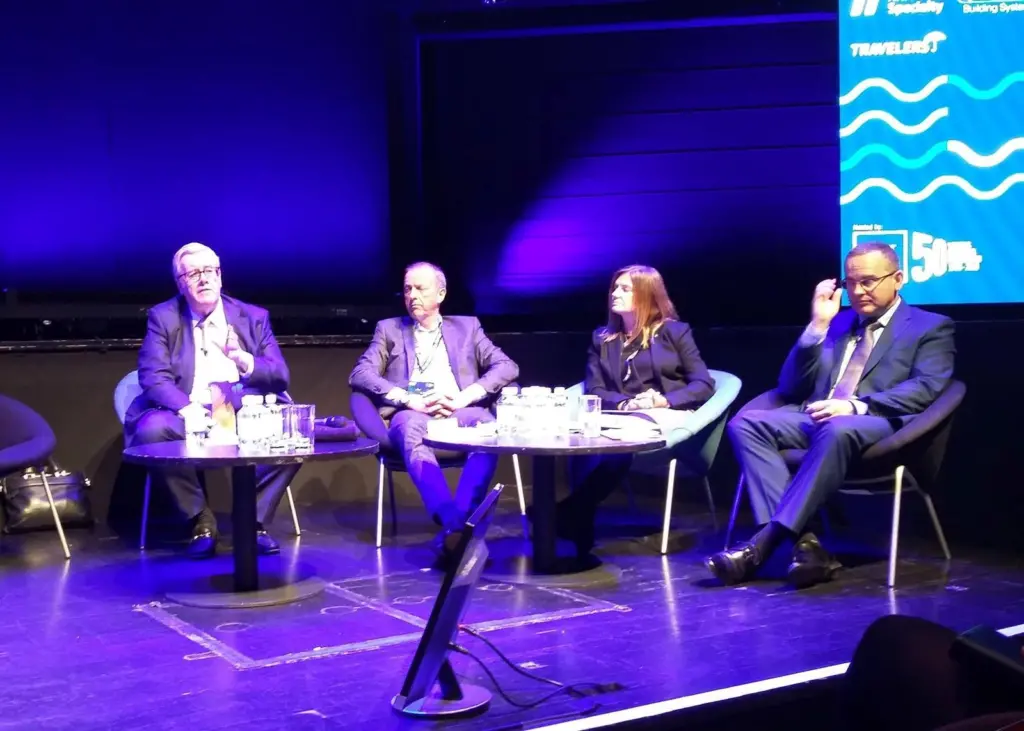
During a panel on the implications of the UK’s EU departure at the Newcastle event, Confederation of British Industry (CBI) president John Allan identified Spanish and Mandarin as “the two great languages you need for trading across the world”, in response to an audience question asking what foreign language English people should choose to learn if they need to compete.
The president had previously noted, while discussing the importance of exports for the UK, that he had read that French President Emmanuel Macron had proposed that every child in France should have 50% of their primary education taught in English.
The CBI figure said at the time that the President might envisage that “a generation of bilingual French exporters will be a real source of competitive advantage for France”.
In his response to the audience question, he said that learning foreign languages helps people to “take a less-insular view of the world”.
Mandarin and Spanish were also identified by DFDS Seaways agency director Emma Leam in response to the audience question, saying they “should probably be key”, but she noted that UK location could impact foreign languages learnt.
“It can be regional to where you’re working,” she said.
“I would think from the Humber region sometimes, German would be a very good one because of the continental contacts, and [for] Dover, obviously, French would be quite beneficial.”
Martyn Boyers, chief executive of the Port of Grimsby East and Grimsby Fish Dock Enterprises, said: “I think we sort of take for granted this inability to speak a foreign language because everybody else speaks our language and English is the language of shipping, it’s the language of the airlines.
“I think we should try more to speak foreign languages, but it seems we don’t need to, and that’s probably the problem.”
Tim Reardon, the Port of Dover’s EU exit head, noted that all public announcements at the facility are made in English, French and German.
However, he argued that what was perhaps more important than language used was business objectives being the same between the UK and neighbouring countries.
Related Articles
 PORT & TERMINAL NEWS
 EXPANSION & DEVELOPMENT
 PORT & TERMINAL NEWS