![PortStrategy[GreenPort]](https://www.portstrategy.com/wp-content/uploads/2026/09/PortStrategyGreenPort.svg)





Ports handcuffed on planning for Brexit
Uncertainty over Brexit arrangements has made it difficult for ports to commit to investments that may help them prepare for changes, the British Ports Association (BPA) has said following the publication of a survey that found little or no planning has been done.
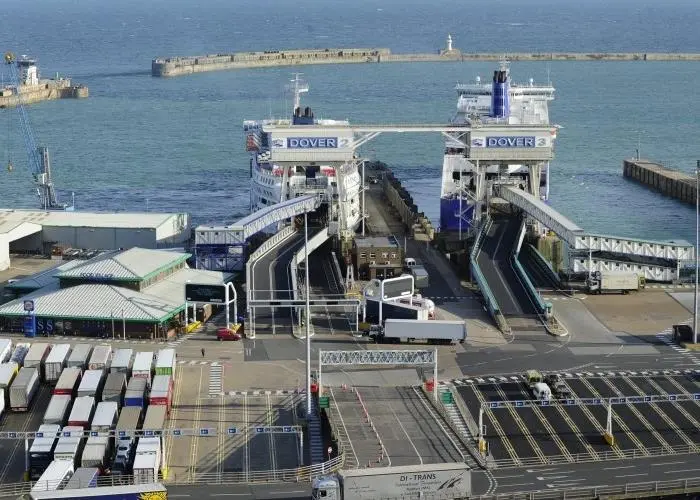
The survey of around 100 port and harbour authorities by executive search firm Odgers Berndston found that only 16% said they had made any “significant or practical” plans for Brexit but over half (59%) expect a negative or strongly negative impact, however the BPA stressed that this uncertainty means that ports are considering their options and awaiting details from the UK government as to what the final trading environment will look like.
Richard Ballantyne, chief executive of the BPA, said: “The ports industry has been involved in extensive planning and discussion with the UK Government on the challenges a no-deal Brexit would present, but given that there is still no certainty around our trading relationship with Europe after Brexit it is not surprising that some ports have been unable to fully prepare.”
Government action needed
Despite the lack of preparation, only 25% of UK port leaders think they are currently in a position to handle Brexit well, found the survey results. A third believe they could cope, but ideally with further investment, whilst over 40% either don’t know or doubt their ability to handle additional demands.
Commenting on the survey reports remark that the government hopes regional ports will reduce additional demands on busy ports in southern England, Mr Ballantyne stated: “There is a variety of levels of exposure to Brexit challenges across the UK ports sector. It has been clear from the outset that ferry ports in particular face significant challenges and we know that Government is well aware of these.”
He pointed out that ports industry has been working with relevant groups at all levels to ensure that all stakeholders will be “prepared for any potential disruption”, however, he stressed that further decisions now rest on the actions of the government.
“For the past two years we have been asking Government to ensure that there is sufficient time to implement any necessary changes at the border and we have been urging Ministers to avoid a no deal scenario if at all possible,” he said.
He added: “This research underlines the importance of securing an agreement and negotiating a future relationship that does not put in place any new barriers to free flowing trade.”
Infrastructure and investment has been a priority for ports both before and after the Brexit vote, which the survey confirmed. Almost 80% gave physical infrastructure as their top priority for any further investment, stated the report.
Related Articles
 PORT & TERMINAL NEWS
 EXPANSION & DEVELOPMENT
 PORT & TERMINAL NEWS