






Ecological monitoring for Thames project
Thomson Environmental Consultants has been contracted by London Gateway Logistics Park Development Ltd (DP World London Gateway) to undertake ecological monitoring surveys.
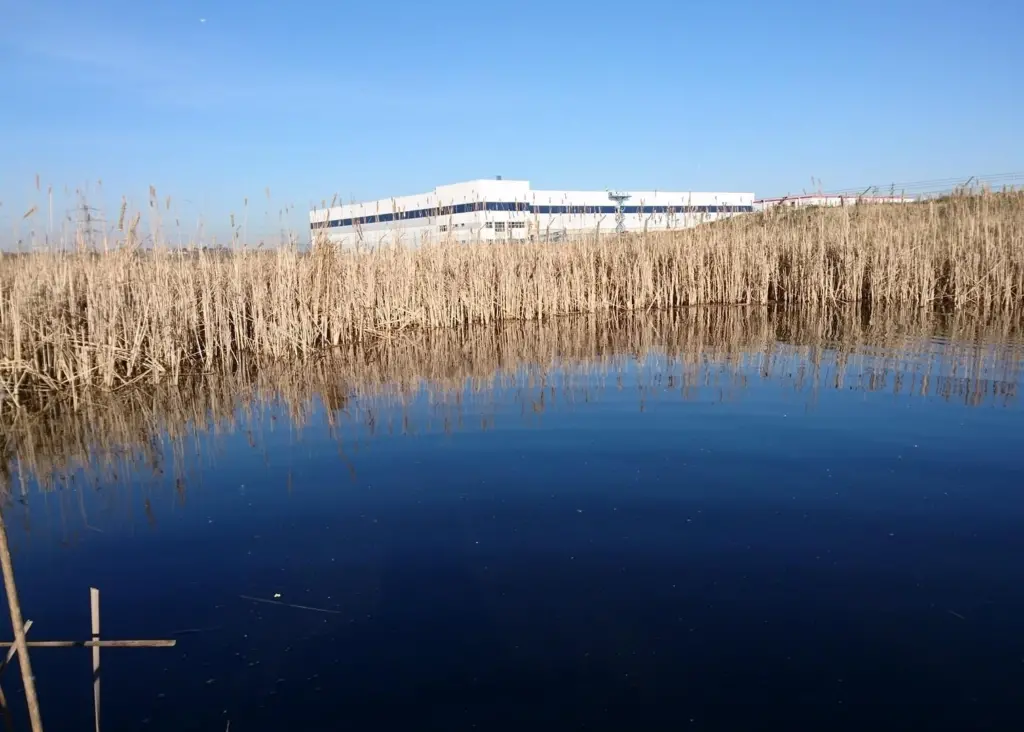
As part of the ongoing project to enable the development of a modern new port and logistics park on the banks of the Thames Estuary, teams from Thomson will be undertaking surveys for reptiles and great crested newts as well as aquatic habitat monitoring and removal of predatory fish at DP World London Gateway’s ecological receptor sites, where a long-running mitigation scheme is being monitored.
Tom Coulter, environmental advisor at DP World, said: “Thomson have worked with us on the design of habitat compensation and protected species receptor sites for the London Gateway development and helped us in getting our mitigation licences from Natural England. It is great to have them on board for the habitat and population monitoring required under those licences.”
Decade-long investment
Thomson first worked on the project back in 2008, completing the early stages of this project over a four-year period. Work included carrying out many of the initial ecological surveys, preparing management plans, liaising with Natural England on protected species licensing, creating 50 new ponds for great crested newts, 70 hectares of new terrestrial habitat and translocating several thousand animals, for the largest ecological mitigation project in Europe at the time.
The ecological receptor sites have been monitored every year since their creation to ensure that the grassland, scrub and pond habitats are providing optimal conditions and that the translocated great crested newt and reptile populations are thriving. The results of the ongoing monitoring will be used to inform future habitat management and will be reported to Natural England as part of the protected species mitigation licence requirements.
Related Articles
 ALTERNATIVE FUELS GREENPORT
 NEWS
NEWS