

French port focuses on zero emissions
A French port has joined forces with a zero emissions coalition in order to help its customers improve their green energy credentials.
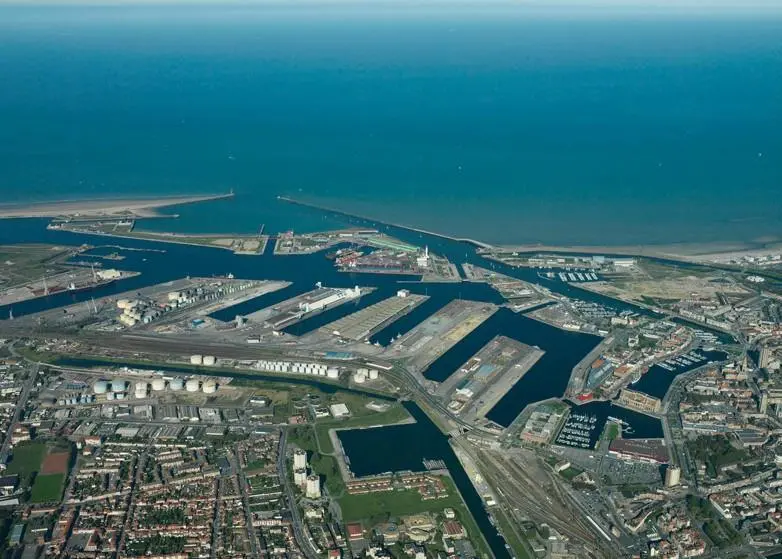
Dunkerque-Port has joined the “Getting to Zero” Coalition, which is working towards the objective set by the International Maritime Organisation to reduce greenhouse gas emissions by shipping by at least 50% by 2050.
“We wish to support innovation and participate in the concerted action taken by all the stakeholders in the sector, thereby helping to more effectively reduce the carbon footprint of maritime transport,” said Stéphane Raison, president of the executive board of Dunkerque-Port.
“Ports are key locations for the development of infrastructures dedicated to the production of new zero-carbon energy sources for ships.”
Commercially viable
By participating in the “Fuels and Technologies” working group, Dunkerque-Port intends to make its contribution to the Coalition by sharing its expertise, in particular on the strategic priorities of port infrastructure requirements for fuel storage and facilities for refuelling ships.
“We have the tools to work on the development of zero carbon energy sources for ships and river boats. Dunkerque-Port is already actively helping to improve the environmental footprint of maritime transport, in particular by setting up LNG bunker refuelling facilities and developing marine lubricants, biofuels and batteries, Mr Raison said.
He added that the port aims to install low-carbon (LNG) and zero-carbon power production plants (Hydrogen, dimethyl ether (DME), renewable electricity) within its precinct over the next five years.
In addition, the port has a large LNG terminal, shore-side electrical connection for container ships and a good river and rail connection with its hinterland.
The “Getting to Zero” Coalition was launched during the United Nations Climate Action Summit in 2019 and is a partnership between the World Maritime Forum, “Friends of Ocean Action” and the World Economic Forum.
Related Articles
 ALTERNATIVE FUELS GREENPORT
 NEWS
NEWS