



Electric charging battle
Ports are investing in electric infrastructure, but local energy resources aren’t up to scratch.
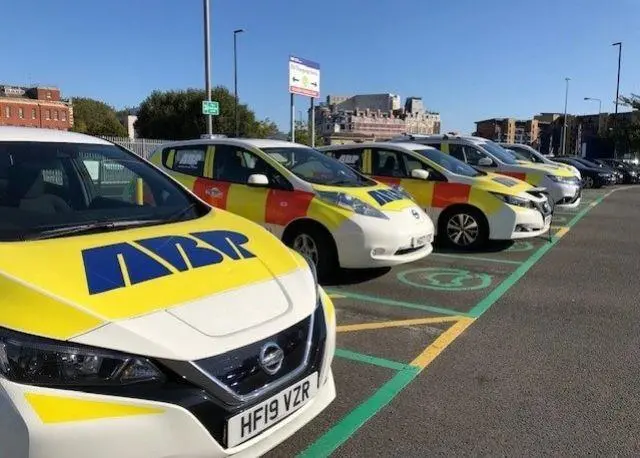
This is the view of the British Ports Association (BPA), which spoke to GreenPort following the UK government’s release of its ‘Zero emission vehicles’ publication, which questions whether public charging infrastructure is sufficient.
Mark Simmonds, director of policy & external affairs at the British Ports Association, said: “A lot of the conclusions from the Committee’s report echo our own findings looking at the energy requirements for shore power and port electrification. A lot of ports are installing charging points for vehicles – for staff, passengers, their own fleets and others. The adequacy of local energy supply is patchy and ports have told us that getting upgrades can be time consuming, expensive and uncertain.”
Government tasks
Unless charging habits change, or the National Grid is strengthened, concerns exist that the charging needs from millions of new electric vehicles will cause blackouts to parts of the country, found the report, published by the UK Parliament’s Transport Committee.
The report said the Government must support sub-national transport bodies and local authorities to deliver sufficient and well-maintained charging infrastructure solutions tailored to local needs; ring-fence a portion of the £90 million local charging scheme so local authorities can employ dedicated ‘charge point champions’ to deliver local charging infrastructure strategies; and identify and address under-provision at locations outside the strategic road network, where grid connection costs and grid upgrades are expensive and the business case for investment is weak;
Simmonds pointed out that ports are making progress with their own energy investments. “As the grid becomes more decentralised ports are ever closer to energy generation and storage and that will benefit ports and their users in future,” he said. “We’re working with networks and government to ensure that this is recognised in current and future energy policy and planning.”
The Government’s report is in line with its Transport Decarbonisation Plan and 2050 net zero emissions target.
Related Articles
 ALTERNATIVE FUELS GREENPORT
 NEWS
NEWS