




Truck program postponed
The Port of Vancouver has postponed a controversial move that would block older trucks with high emissions levels from accessing the port’s container terminals.
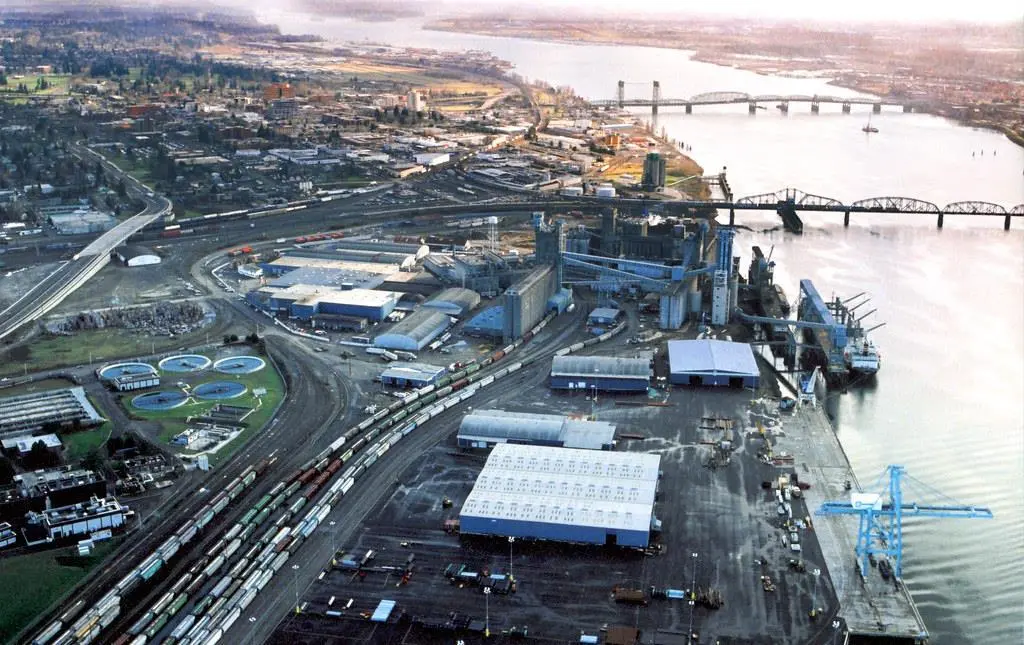
Under the terms of its Rolling Truck Age Program, trucks manufactured in 1994-2006 would no longer receive a port permit with effect from 1 February 2022, with only trucks from 2012 onwards accessing the port from 1 June 2022.
“We are working to reduce port-related emissions, to support the livability of the communities in which the port operates,” Duncan Wilson, vice president, environment and external affairs with the Vancouver Fraser Port Authority told Port Strategy.
“A key way we are doing that is through our Rolling Truck Age Program, which will cap the age of container trucks serving the port to support safer, more reliable trucks and cleaner air for our communities.
“Old, diesel-powered trucks are a big source of particulate matter, which has been known to cause cancer. As a region, we still have some very old container trucks, some more than 20 years old, serving the port,” he added.
Union pushback
But the Unifor union pushed back on these timescales, with national president, Jerry Dias, arguing that it “will cause chaos in a system already under unique pressure from the pandemic, flooding and supply chain issues”. Unifor wants to see a two-year pause on the phase out plan, which it accuses the port of rushing.
The program has been in train for more than a decade. In 2015, the port authority advised industry that the program would go into effect in February this year, with regular reminders so that industry has time to adapt and source compliant trucks.
“Already, almost 80% of container trucks serving the port are compliant, which is fantastic,” said Mr Wilson.
Postponement
“However, we have recently heard some concerns about our program start date from industry and Transport Canada, and we recognise that the pandemic, recent flooding and on-going global supply chain issues may have created some short-term challenges for people looking to buy compliant trucks.
“We are thus postponing our program start date slightly, to provide some additional time and engagement opportunities for industry, and to hopefully mitigate some of those challenges. We commend and thank truck owners and companies for working with us on this important program, and we look forward to seeing this program deliver cleaner air for our communities,” he added.
Related Articles
 NEWS
NEWS
 PORT & TERMINAL NEWS
 NEWS
NEWS