


Gate Systems
Operators shopping for a new gate management system must take time to consider the unique needs of their port or terminal. Felicity Landon reports
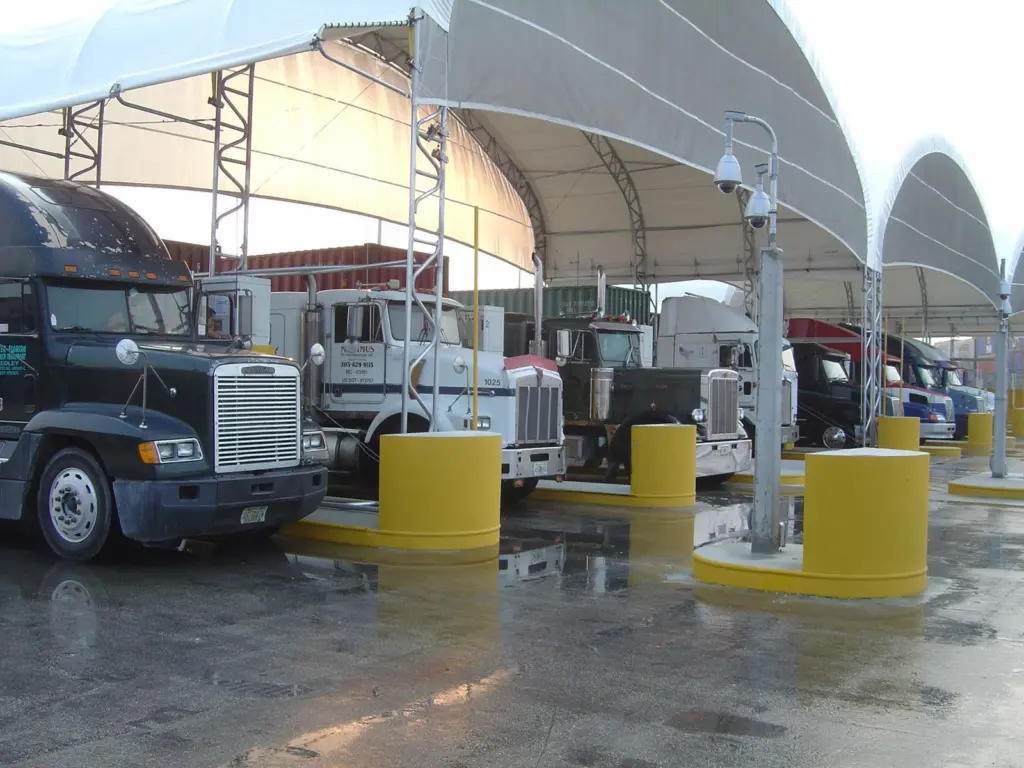
Port operators are becoming increasingly sophisticated in evaluating and selecting gate systems, says Tideworks, the Seattle-based software solutions group. But at the same time, many need to be reminded that it is not a case of “one size fits all”, says Tideworks president Michael Schwank.
“We find that many of our customers of all sizes are looking to implement OCR (optical character recognition) at the gate – not only because it has a proven track record of providing increased efficiencies in the marine and intermodal terminal environments but also because it is very much a ‘hot item’ and no one wants to lose competitive advantage.
“However, we recommend that the operator takes a good look at the expected ROI on such an investment; for medium-sized to larger terminals, the investment is often rapidly recoupable – whereas for smaller facilities, there may be other means of reaching their productivity goals in a more cost-effective manner. We believe that operators should be looking for the right fit technology solutions for their operation.”
Another factor Tideworks pushes for is the cooperative approach to software support and maintenance. “Our customers are viewed as a part of the process and their feedback helps drive product direction and development,” says Mr Schwank.
Tideworks recently held a conference in Seattle for its existing customers, in which it offered an in-depth insight into what is under development now – and also gathered information from customers on how their business is changing and the ways in which solutions could better meet their needs.
Mr Schwank says a well-planned and executed gate system will increase gate velocity and decrease trucker turnround time, reduce truck queues at the gate, thereby decreasing truck idle times and emissions, enhance operational productivity, and increase the operator’s bottom line.
“Port operators are adding some of the more advanced technologies, such as OCR and RFID (radio frequency identification), because these technologies help to speed up gate transactions, increase accuracy and efficiency, and allow the operator to increase volume.
“They also require that gate systems integrate with existing terminal operations systems effectively – whether those existing systems are off-the-shelf or custom solutions. They are often seeking an IT partner that can bring to the table not only the terminal operating system solution but also the expertise in integrating that solution with other technologies and systems – they are often looking for a systems integrator as much as a software provider.”
Key drivers behind gate system investment and development are clearly increased security concerns – which often have the effect of slowing the flow of cargo; a need for faster gate processing, higher productivity and efficiency to reduce costs; and growing volumes and congestion issues.
“Additionally, port operators are increasing under environmental pressures to reduce truck emissions and other sources of pollution,” says Mr Schwank. “The focus on security is not likely to diminish in the foreseeable future; the environmental pressures will only increase as well. So it is absolutely vital to plan for ways to comply more easily with increased government requirements while maintaining or increasing efficiency. The right technologies can aid tremendously with this balancing act.”
Related Articles
 CONTAINER & CARGO HANDLING
 CONTAINER & CARGO HANDLING
 BULK HANDLING