![PortStrategy[GreenPort]](https://www.portstrategy.com/wp-content/uploads/2026/09/PortStrategyGreenPort.svg)






Scheldt dredging finally underway
The deepening of the Scheldt Estuary to give both greater tide windows and better draught access last week finally got underway on the Dutch side of the border – after a decade of wrangling.
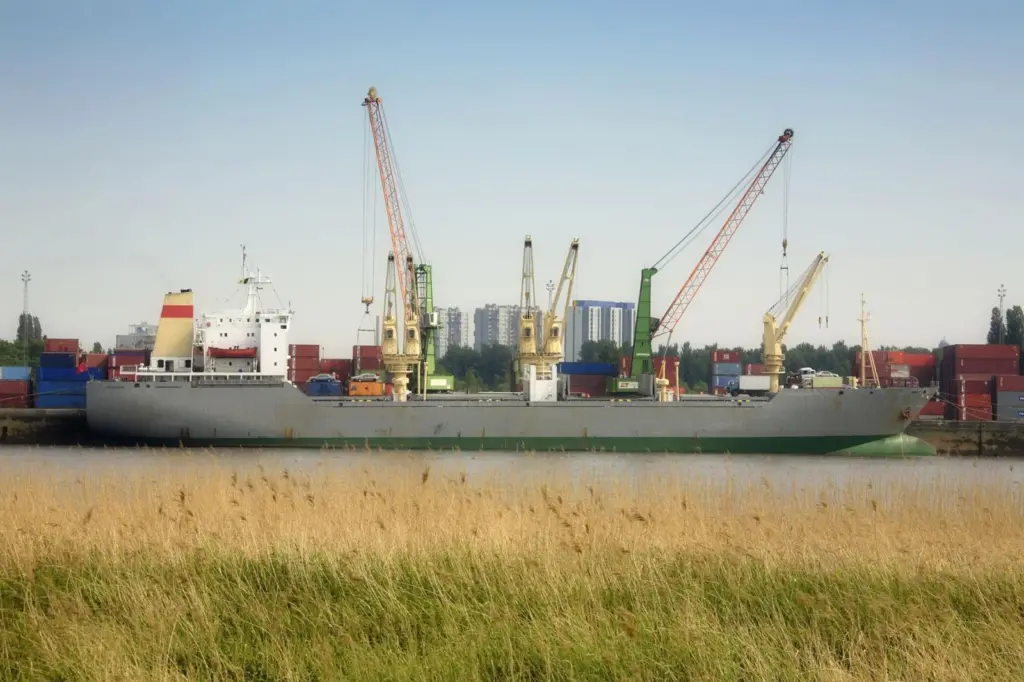
This continues the work started on the Flemish side in 2007. At the moment, ships travelling upstream to Antwerp have a depth of up to 15.56m available to them. However, in the other direction through the Dutch side, there are shallower thresholds and a dozen draught-constraining “hot spots”.
When the Dutch authorities also said that the Western Scheldt’s role in flood defence strategies might be compromised by dredging works the Belgian suspicion was that the Dutch were using these difficulties as an excuse to keep the boxes away from Antwerp and directed into Rotterdam – a direct competitor.
So, Antwerp, dependent as it is on the Scheldt, looks like gaining the most benefit from the fulfilment of the Dutch-Flemish agreement. Under this the navigation channel will be widened and deepened so as to increase the tide-independent navigation from the present draught of 11.90m to 13.10m, plus a keel clearance of 12.5% on the Dutch side to allow for accumulated margins. These are to protect against the movements of vessels under wave action, the squat effect, sudden silting, and a dredging tolerance – resulting in a level of 14.70m on an average low spring tide.
However the port authority says that after deepening the Scheldt should give a downstream draught of at least 15m, (depending on the speed and sailing characteristics of the ship).
Work is expected to be completed inside a year, earlier than originally proposed.
Related Articles
 PORT & TERMINAL NEWS
 EXPANSION & DEVELOPMENT
 PORT & TERMINAL NEWS