



Cranes encounter structural issues
An analysis of port and terminal incidents has revealed a disturbing number of major structural failures in port equipment in recent years, causing not just costly repairs and operational downtime but also serious accidents.
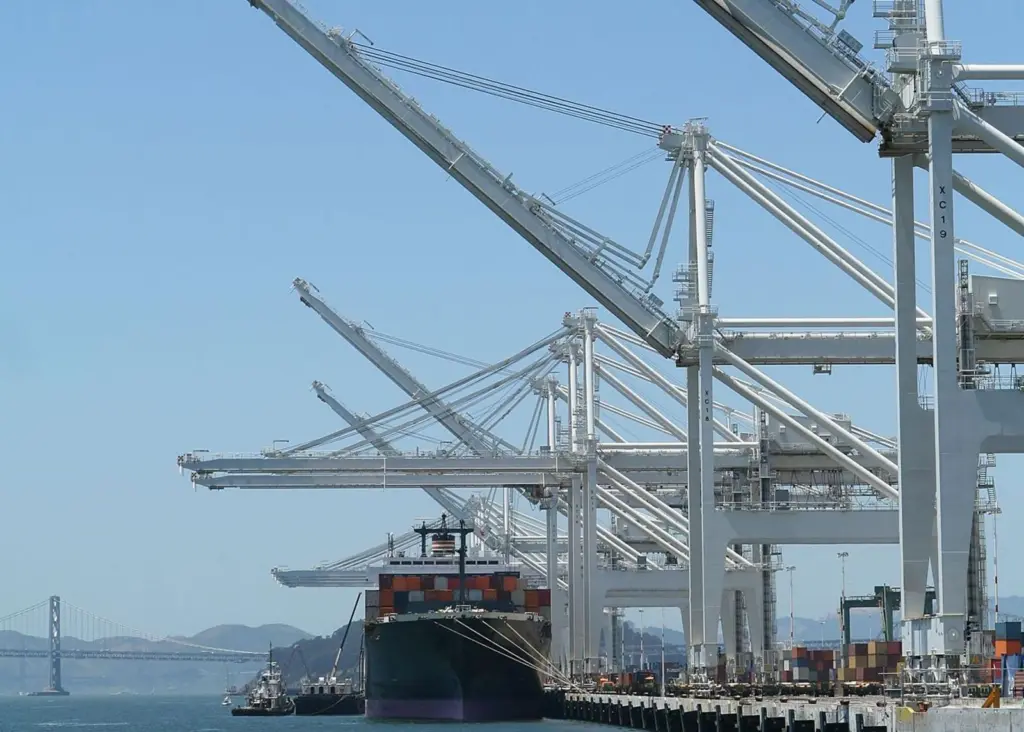
According to a TT Club investigation, the actual structure of much lifting equipment, because of its size and complexity, may not always be examined as often as it should.
Laurence Jones, TT Club’s global risk assessment director, has stressed how essential it is to “establish a regular sequence of maintenance and thorough examination of all the lifting appliances”, and added that these procedures come under ILO Convention 152.
But this should begin right from the start, as independent examinations need to be performed when procuring any type of crane – and go beyond the ILO Convention requirement.
Further, once commissioned, a crane should also be examined regularly during its operational life, regardless of how good its manufacture. Damage resulting from relatively minor impacts, regular heavy-lifts close or equal to the safe working load limits, intensive use or simply general wear and tear can affect the integrity of the crane’s structure.
Mr Jones pointed out: “Often such operational issues can occur without anybody being aware, so regular examinations need to be conducted. Any known incident should clearly result in a check on the structural integrity of the crane at that time. This advice applies equally to fixed and mobile cranes of any type.”
The standard calls for such examinations to be conducted at least once every twelve months. Generally, as a crane gets older the examination frequency should increase. But, warns Mr Jones, some countries have less stringent or no regulatory requirements at all in their laws. He said: “All regulatory requirements must be adhered to, but for those with no regulatory requirements a minimum examination period should be implemented based on the international standards.” Furthermore, the regularity of examinations should increase based on the degree of use and if this is at or close to the crane’s safe working load limits.
“We need to ensure compliance with the standard to ensure safe and reliable operations,” said Mr Jones. “Regular crane examinations will in the long term save downtime and money. It makes economic sense. But more importantly it will save lives.”
Related Articles
 OPERATIONS
 OPERATIONS
 PRODUCTS & SERVICES