
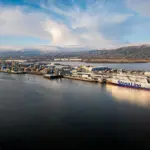

Ready for inspection
In the drive for smooth, uninterrupted supply chains, ports must ensure that statutory inspections don’t bring things to a grinding halt. Felicity Landon reports
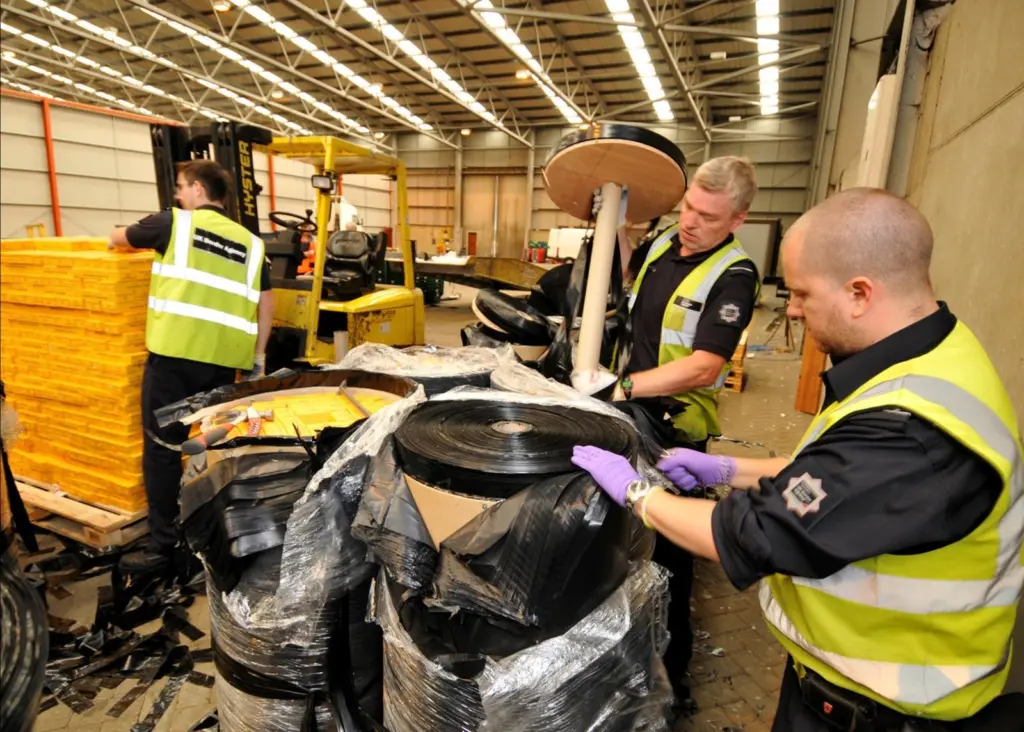
Customs, port health, vets, plant experts, trading standards authorities – there’s quite a collection of people who just might want to open up a container and take a good look before it is whisked out of the terminal to its destination.
But these agencies won’t be forming an orderly, predictable queue. Although such inspections can be carefully targeted, based on information and intelligence, in port operational terms they can be pretty random. That creates a real challenge for port operators and, of course, numerous other parties.
The Port of Felixstowe has a dedicated examinations team of 65 people, whose job is closely integrated into the day-to-day running of the container terminal. The team is notified daily which containers are required for examination; they move these containers from the general stacks to a separate compound overnight, and then deliver them each morning to the port’s 70 Shed, cold store or X-ray scanner as required. The process is computerised and the team uses the port’s terminal operating system to locate each container for collection.
The separate compound can hold up to 300 containers, including 100 reefers, and the team regularly works with 300 boxes a day.
The inspection agencies are linked into Maritime Cargo Processing’s Destin8 port community system, through which they can put a hold on any container they are interested in, preventing it from going through for customs clearance. Any haulier expecting to collect a container that has been marked for inspection cannot apply for a slot in the vehicle booking system until each agency has taken off its ‘hold’, again through Destin8.
The examination team, which has its own fleet of forklifts, reachstacker and internal movement vehicles, presents the containers, in date order, as required, and then takes them back to the compound when checks are complete.
“We are doing all of this as quickly and efficiently as possible – we don’t want to put a spoke in the wheels of an efficient supply chain,” says Glenn Giles, who leads the examination team. “We achieve an average of under two days for examination – whether X-ray, 70 Shed or cold store, which is amazing considering we have ships coming in and unloading 2,000 boxes at a time.”
Port community systems are vital in keeping the whole thing rolling forward, says Iwan van der Wolf, chief executive of Portbase, the Dutch port community system used in Rotterdam and Amsterdam.
“If a few things go wrong in terms of liaising and messages not getting through, it could have an impact [on the supply chain] of two or three days at least,” says Mr van der Wolf. “It is really important to consider how you organise this and take care of the impact on the flow of goods to ensure it is minimised.”
Dutch customs authorities and other inspection services are focused on decreasing the impact of necessary inspections on logistics chains, he says. “They are really monitoring the amount of inspections they do and also trying to combine their efforts, so if there are goods to be inspected by several agencies, they are focusing on combining them in one stop, so the impact on the logistics chain is limited.”
The various inspection agencies indicate through the Portbase network which box they want to examine and when, says Mr van der Wolf. “It is up to the logistics chain to make sure the planning is done and we as the port community system are really focused on optimising that part.”
Modules within the Portbase system enable customs and veterinary inspections to be managed and communicated online, including notifying relevant parties that a container needs to be brought to a certain location at a certain time. “Through this module everybody can see what the status of their cargo is and, if it has been inspected, what the results are,” says Mr van der Wolf. “This also includes the trucking companies which are responsible for moving the containers to the inspection places at the ports.”
The Customs Scan Process module has been in place for some time and Portbase is now looking at renewing this and also integrating other inspection services. “If we have one planning module for all inspections, this would also help the government and inspection agencies,” he says.
Overall, there are 14 categories of inspection that are possible for a container in Rotterdam. In addition, with increasing volumes of counterfeit goods on the market, there is more demand for documents – another level of inspection.
Among the bodies that the Port of Felixstowe works with are the UK Border Agency (looking for smuggled and counterfeit goods), Port Health, Trading Standards, the Plant Health & Seeds Inspectorate and the Forestry Commission. Although generally the examination team’s role is simply to bring the containers in for checking, they will also do the devanning on some occasions.
As part of this, the team tests every dry container for gas to ensure it is safe to enter. According to Glenn Giles, there is a failure rate of about 5% on this test, mainly because of phosphene put into containers to keep things fresh.
Related Articles
 OPERATIONS
 OPERATIONS
 PRODUCTS & SERVICES