


Food for thought
More than 40% of the food imported into the UK arrives through Felixstowe – and in recent times that has included such delicacies as shrimps with an antibiotic residue, nuts with carcinogenic mould and ready meals containing Sudan dye.
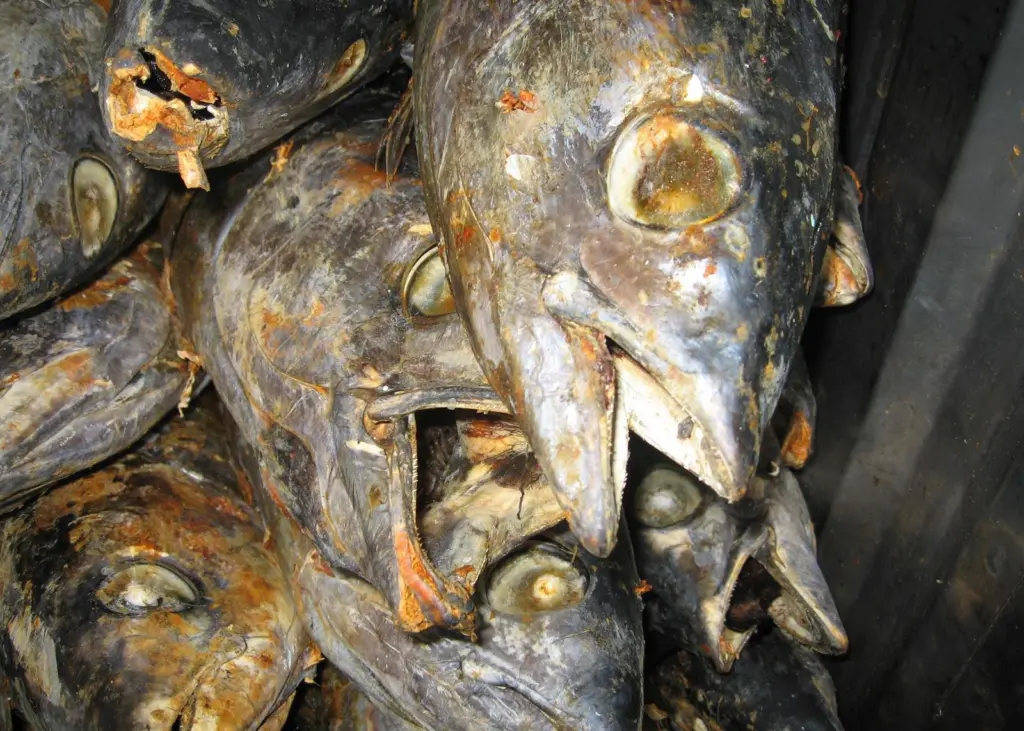
Suffolk Coastal Port Health Authority, which is part of Suffolk Coastal District Council, is responsible for import controls for food and products of animal origin, ship sanitation control, food standards, food safety and water quality, and infectious disease control. These checks are carried out by a team of about 50 people working in shifts, including environmental health officers and veterinary surgeons.
About 22,000 consignments of products of animal origin and 33,000 non-animal origin products are checked in a year. IT is crucial for keeping things running smoothly and March this year, the information management system developed by the council and Port Health to speed up importing and exporting was shortlisted for an ICT award run by the Local Government Chronicle.
The Port Health Interactive Live Information System, PHILIS, enabled the team to process over 87,686 jobs last year, including 4,468 common entry documents and 25,689 common veterinary entry documents needed to process certain types of imported food and products of animal origin. In the financial year 2009-2010, a total of 153 unsatisfactory food consignments were removed from the food chain.
Port Health is also interested in articles and materials that will come into contact with food – for example, plastics and ceramics. These could cause contamination of food with heavy metals or other chemicals. Legislation updates are a common theme across all of the team’s work. For example, new EU legislation applying to plastic kitchenware imports from China and Hong Kong will come into force on 1 July. From this date, imports will have to be accompanied by a declaration and analytical results to confirm that they are compliant with limits on the release of harmful chemicals.
Related Articles
 OPERATIONS
 OPERATIONS
 PRODUCTS & SERVICES