


Challenging a communication culture
Ineffective communication could be losing port and terminal operations significant sums of hard money. Or, as Captain John Wright of WrightWay Training told Port Strategy, “One plus one plus one doesn’t always equal three.”
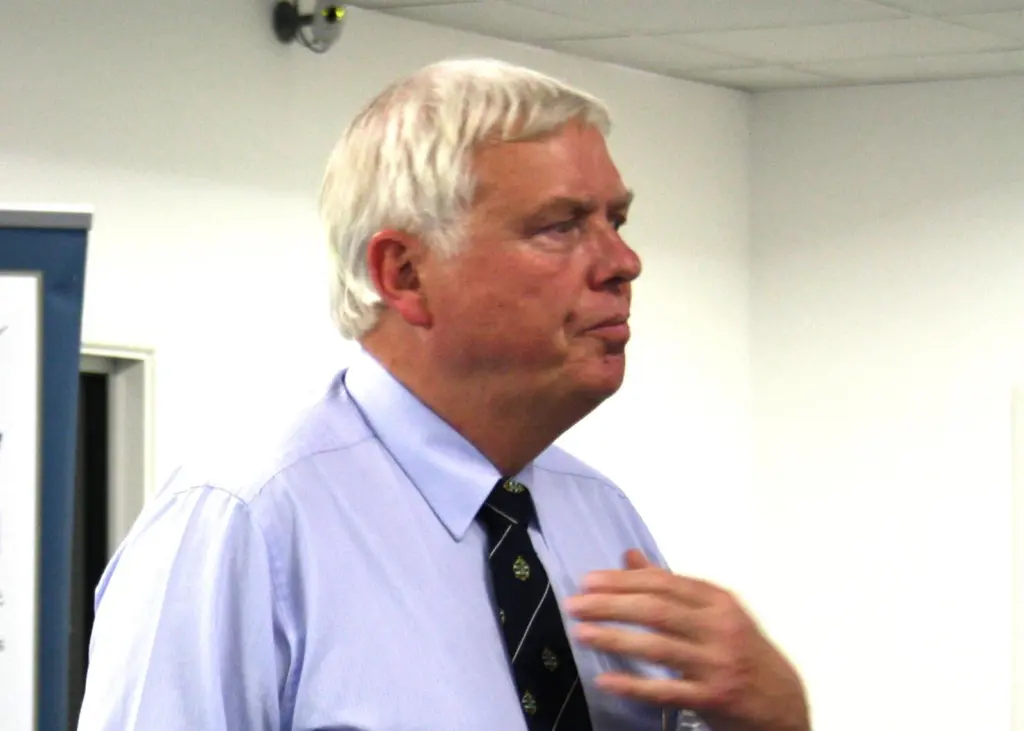
He was referring to the fact that there are often cultures of command that actively discourage people from telling those in the hierarchy above them that there is something that needs to be addressed. Further, ports have complicated processes involving, for example, pilots, tugs, crew and handling equipment operators as well as other port staff. Training in non-technical skills such as communication, he said, mean teams will work more effectively with each other, despite there being three or four interacting command centres.
But the lack of effective teamwork can be costly in damage to reputation as well as equipment – and there are those more serious events where lives have been lost.
“Breaking the ‘mental concrete’ of wrongly-held perception is hard because we naturally seek information that tends to confirm our internal picture,” Mr Wright explained, “so, our saving grace is found in the rest of the team.” However, actively encouraging input from others further down the command chain can demand a change to the cultural norm, although there are benefits. If the approach is rolled out across a company, he said, it will lead to improvements in both safety and business performance.
Mr Wright points to the figures: the results of this kind of training are greater profits, reduced risk of injury, a safer working environment and a happier workforce. “Using these methods, in two years, one client sent 213 people home in one piece that statistically would have been injured, saved over 5,000 man days and avoided $7.5 million in direct costs,” he said.
Related Articles
 OPERATIONS
 OPERATIONS
 PRODUCTS & SERVICES