


Freeing up the containers
The ‘port deconsolidation model’ has been heavily used in the US over the past two decades, says Dan Flaherty, vice president/general manager, port logistics, at Schneider Logistics.
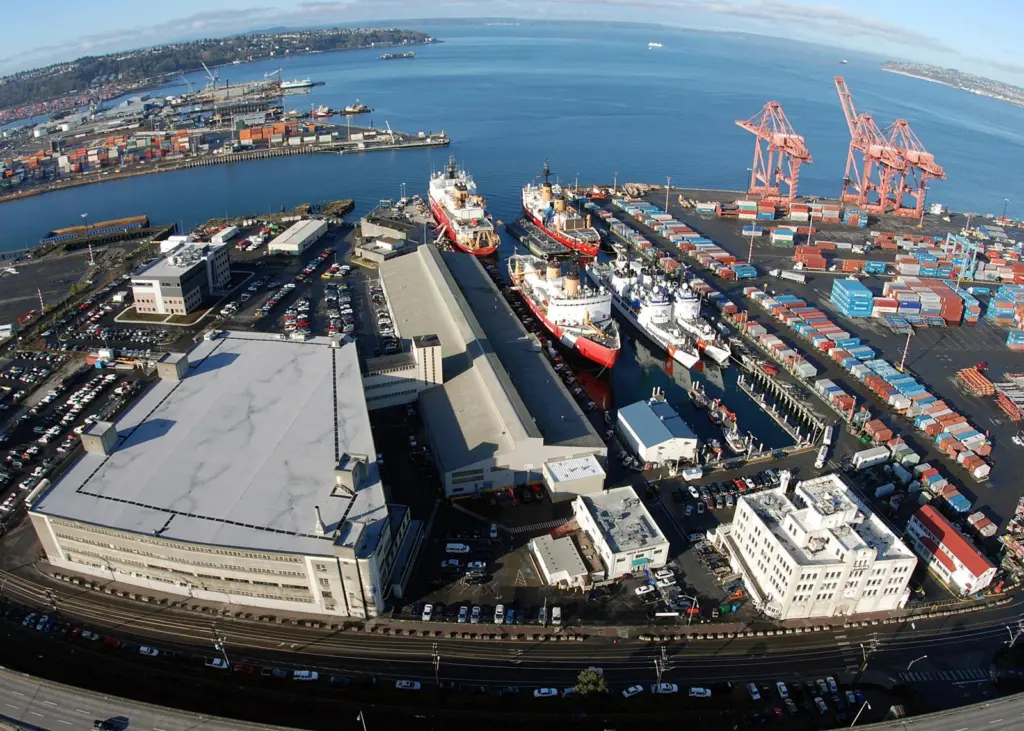
“With steamship lines charging heavy per diem fees for failing to return containers in a timely manner, many importers and exporters prefer to keep ocean containers near the ports,” he says.
“Many importers operate deconsolidation facilities at or near the port, operated by a third party logistics provider or by their own employees. Recently, major inland ports such as Chicago and Memphis have seen strong growth as the same concept is applied at these inland locations. Freight is brought to these inland ports via rail, transloaded near the rail hub and then the empty containers are reloaded on to the rail for return delivery to the ocean port.”
Mr Flaherty says this approach allows importers to decide on final inland distribution locations when the freight reaches the US port for deconsolidation, instead of having to decide at origin (for example, in Asia) the inland destination for each container.
“The importers value the flexibility this brings to their supply chain, as they can reallocate freight to their inland DCs up to the moment the freight hits the cross dock near the US port. In addition, the importers/exporters are able to keep ocean containers near the port and reduce or eliminate expensive per diem charges. Another reason this works well for many importers is that their inbound transportation cost is much less when the containers stop near the port versus moving inland, although one exception to this would be in an inland port situation.”
Volume and throughput are key to making the model work, says Mr Flaherty.
Schneider port logistics has deconsolidation and import/export facilities in Savannah, Norfolk, Houston, Los Angeles and Seattle, as well as an inland port in Elwood, Illinois.
“We work with major retailers, white goods manufacturers, agricultural and commodities companies, and electronics manufacturers across the country. We operate over 8,000,000 sq ft of storage and cross-dock space at the port locations to facilitate the handling of cargo near the port.”
Related Articles
 OPERATIONS
 OPERATIONS
 PRODUCTS & SERVICES