


PPPs the favoured expansion choice
Variations of public-private partnerships are the driving force behind terminal developments on the US East Coast.
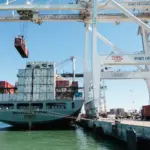
The Ports America terminal at Seagirt is the biggest such project, with a 50-year lease, an initial annual payment of $3.2 m, index linked to inflation and $15 per container over 500,000, with the rate increasing on the same terms as the fixed annual payment.
According to Richard Scher of the Port of Baltimore: “Seagirt is a unique circumstance because we found a private partner who was willing to build a new 50 foot container berth for us and pay for four super post-panamax cranes. The State of Maryland did not have the capital to fund that project so without a private investor, that project would not get done.
“If that project does not get done, Baltimore would not be able to welcome the large ships, additional cargo, and additional jobs that will result when the Panama Canal project is finished.”
Global at Bayonne is a milder version of a PPP, as the Port Authority has provided infrastructure funding as part of its role as owner of Port Jersey land: the Port Authority owns the Port Jersey peninsula and it has leased the land to Global Container Terminals under a long-term lease.
Both terminal operators are backed by huge funding sources. Ports America is owned by investment fund Highstar Capital while Global is owned by the Ontario Teachers pension fund. The path of future terminal developments would seem to go through independent funding overlords rather than pure terminal operators.
While public-private partnerships continue to gain traction on the East Coast, two regions are bucking the trend. Virginia has put itself in the driver’s seat at Portsmouth with a 20-year lease of the APMT terminal, making the port the sole operator. Charleston continues to be an owner-operator, calling its business model “very successful”. Says a port official: “We lead the nation’s ports in crane production, with an average of 41 crane moves per hour per crane, thanks to the skill of Port Authority employees who run the lifting equipment on terminal. They are just one part of the culture of productivity in the Port.”
Related Articles
 PORT & TERMINAL NEWS
 OPERATIONS
 PORT & TERMINAL NEWS