


New oil terminal proposed by green POLB
Following a long series of environmental projects, the Port of Long Beach (POLB) has approved plans to modernise the states aging oil transfer infrastructure with a 28 acre deep water oil terminal.
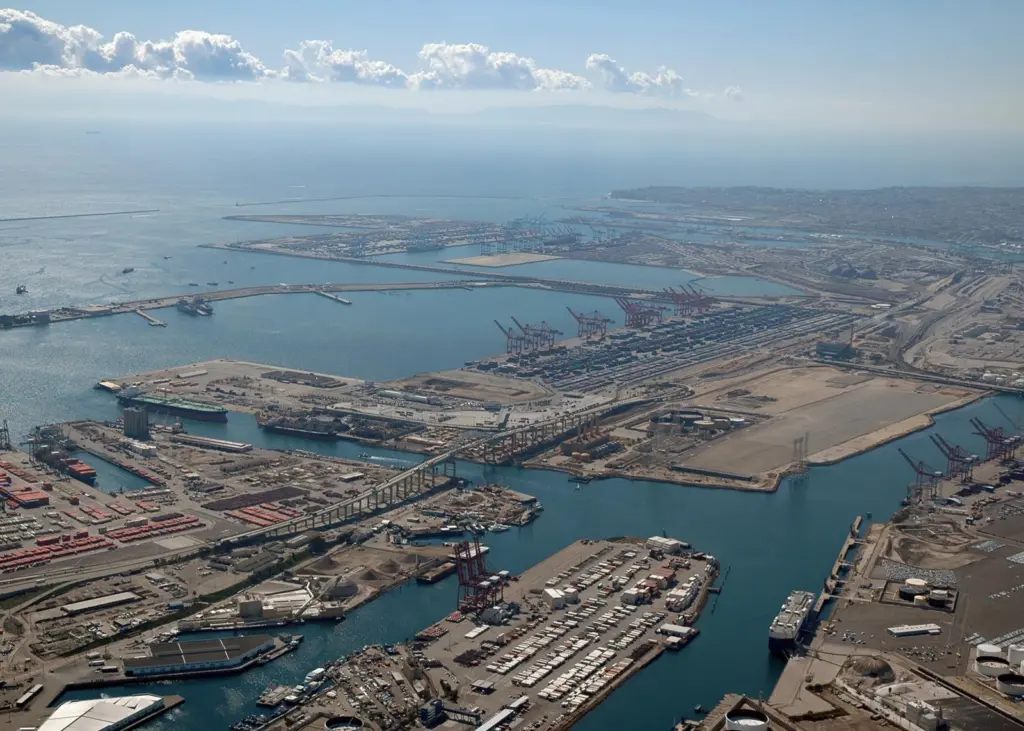
The preliminary agreement between POLB and terminal operator, Vopak Terminals North America, gives the go ahead for an environmental impact study of a liquid bulk terminal for petroleum tanker ships.
Lee Peterson, spokesperson for the port told Port Strategy that the terminal would be “the first oil terminal built in three decades, likely giving it a much longer lifespan and presence far into the future”.
He added: “There are several oil refineries in the local area that are largely supplied by oil tankers, and ensuring that those refineries have a reliable supply chain is very important.”
In coming months the port will bid out the work “to do the engineering pre-design and the environmental review to consultants, which will take around 18 months”, he said.
As part of the environmental impact report (EIR), all relevant environmental, safety and security issues would be reviewed. If approved, the POLB says it would conduct around US$37m worth of dredging and other waterside improvements, while Vopak would invest US$120m on land side improvements for the first phase of construction.
Preliminary estimates show that the first of the three phases of construction would generate almost 1,200 jobs for the one and a half year construction period.
The port has estimated that it would take around four and a half years to complete a full EIR, design, permit and construct the new terminal.
Currently, around 200 million barrels of oil is brought into the Port of Long Beach each year. The proposed terminal would handle an estimated 21 million to 55 million barrels of oil per year.
Related Articles
 PORT & TERMINAL NEWS
 OPERATIONS
 PORT & TERMINAL NEWS