
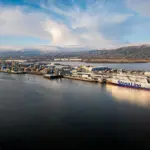

A mixed view on automation
Global marine systems business, Trelleborg, says that although port operators expect increased safety from automated systems, the vast majority still use human or manual guidance at their facilities.
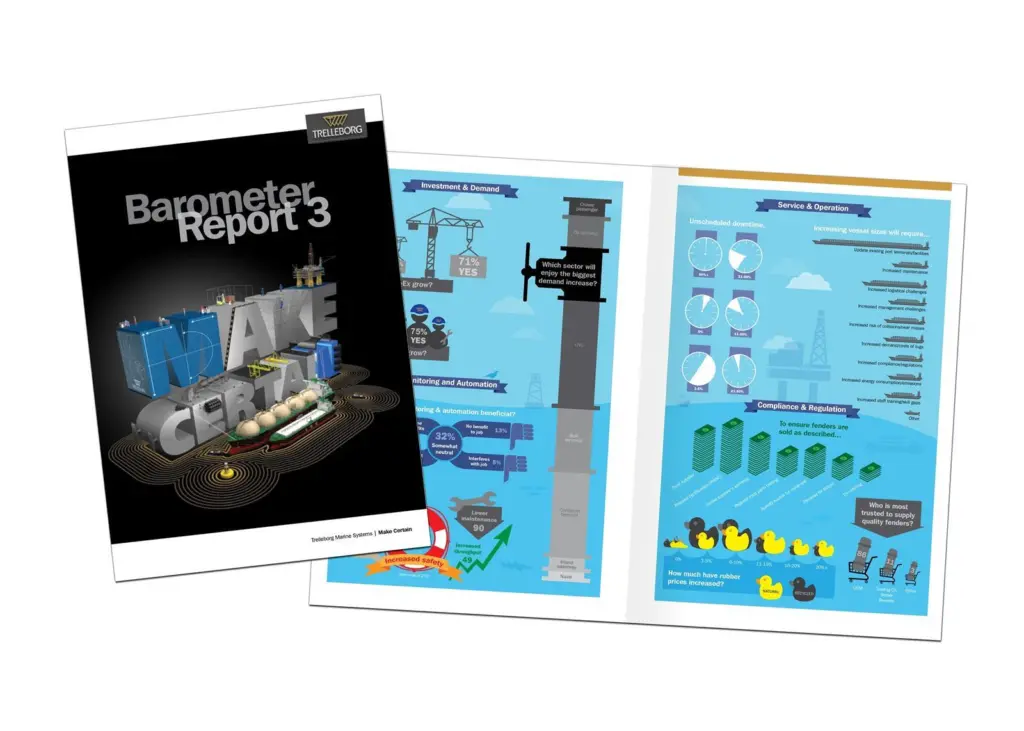
Trelleborg says that an independent report it conducted indicated that 84% of respondents expected “increased safety” to be the primary benefit of automated systems to monitor factors such as mooring line tension, approach speed and environmental conditions.
And they’re aware that it’s not the only benefit to getting automated – it boosts operational efficiency too.
But nonetheless 60% of respondents still use a manual process to monitor conditions during docking and mooring.
Port Strategy asked Trelleborg why when the benefits are so apparent, many operators are failing to make the transition to Docking Aiding Systems (DAS) or Global Positioning Systems (GPS). Is it not firstly not a safety liability and secondly are facilities not at risk of becoming antiquated?
Richard Hepworth, managing director, said the problem is the market is lagging behind the technology available, but also about cost.
Mr Hepworth said to Port Strategy: “Automated monitoring software, although it may require initial spend, can be used to enhance operations and ports will reap the benefits of reduced cost over the product lifecycle.
Really, it’s about seeing investment strategically, and making procurement decisions now that will best serve facilities over the long term.”
It is surprising that in this increasingly pressurised world, these tools are not being used more because they should offer welcome assistance. Although the industry is aware of the benefits, stakeholders are still not being proactive in implementation.
Read Trelleborg’s Barometer Report for more detailed findings across the industry.
Related Articles
 OPERATIONS
 OPERATIONS
 PRODUCTS & SERVICES