
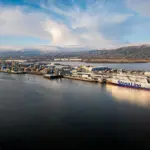

Maersk technology reduces food wastage
Transportation time is one of the many reasons why food goes to waste worldwide. In a bid to help shipping lines and container terminals reduce food wastage, Maersk Container Industry has developed a range of new products and become an official sponsor for the United Nations’ initiative, UN Save Foods.
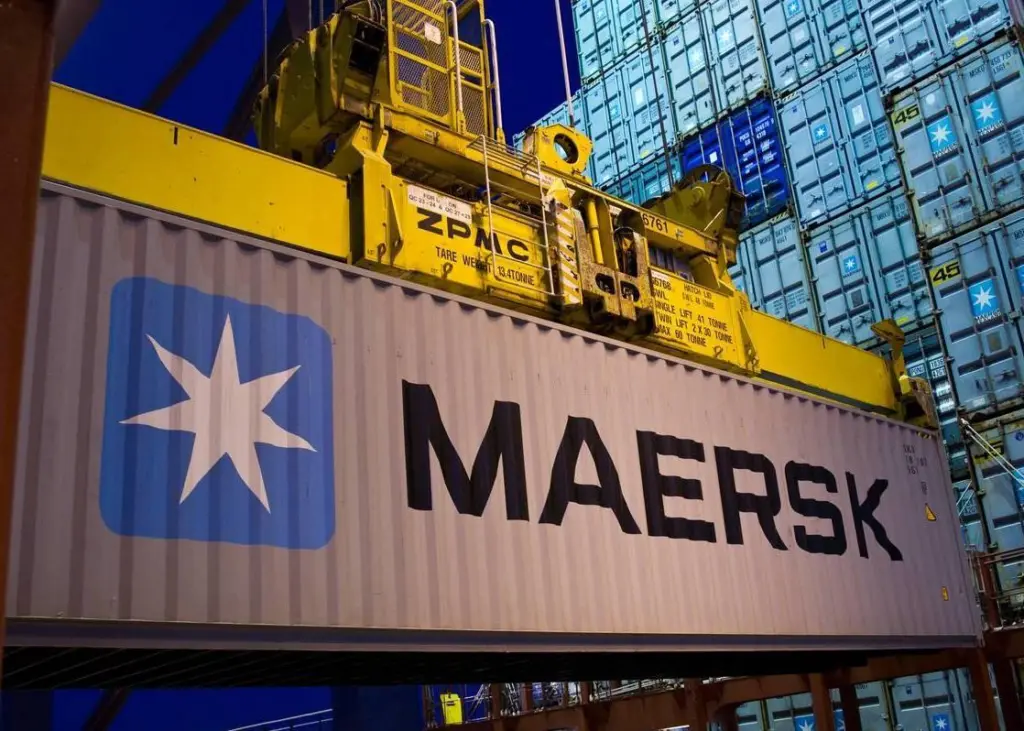
It is estimated that, in Europe alone, a third of all produced food is going to waste globally, according to a recent study by the United Nations’ Food and Agriculture Organisation (FAO).
“Our theory is that waste particularly takes place in between the supply chain links when cargo moves from one link to the next. This is what we will examine more closely with the UN, as this is where transport and logistics can do more to eliminate food loss,” Casper Jacobsen, sustainability coordinator, Maersk Container, told Port Strategy.
He added: “Waste occurs, for example, if a container misses a transhipment, which means the box stands still at a terminal with its cargo for a week or so. If terminals are faster in handling the reefers with cargo, then the cargo has a much farther geographical reach, which in turn means the exporters can either reach more customers or deliver their cargos in a relatively better composition.”
But it’s not all down to the terminals. Maersk has developed Star Cool CA and AV+ technology to control the atmospheric composition of gasses inside the reefer container and automate the insulation of the container, which it says are the key elements to ensuring food remains fresh.
The company has also developed QLiner, which provides an alternative material to aluminium or stainless steel for the inside of a reefer container to give it a smoother surface, making it easier to clean.
Maersk is also organising workshops and seminars to raise awareness of food wastage and is actively working with the Chilean fruit exports association, ASOEX.
Related Articles
 OPERATIONS
 OPERATIONS
 PRODUCTS & SERVICES