![PortStrategy[GreenPort]](https://www.portstrategy.com/wp-content/uploads/2026/09/PortStrategyGreenPort.svg)






Lisbon works hard to become “transparent”
The Port of Lisbon is looking to make operations “easier, faster, more efficient and transparent” with investments in a new terminal and a national single window (NSW).
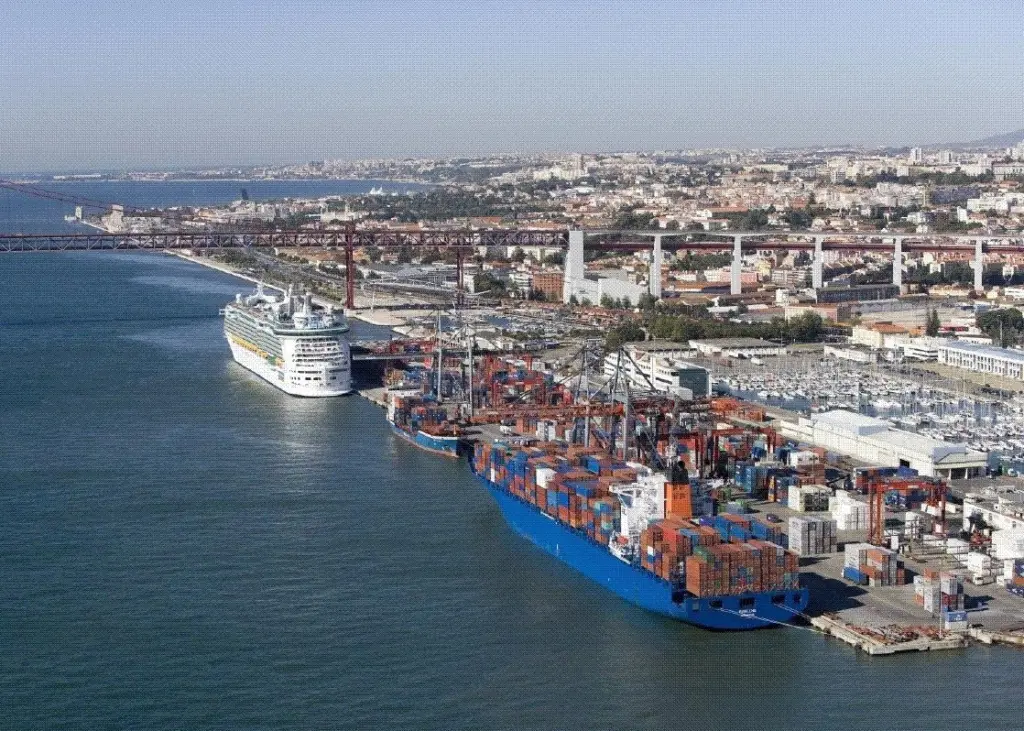
The port has been developing an electronic NSW system since 2008 to meet the European Commission’s deadline of 1 June 2015, when all the information on ships entering and leaving EU ports must be provided electronically.
“The system’s entry into operation was a fundamental step to improve the competitiveness of Portuguese ports,” Marina Ferreira, chairman of the Board of Directors, Port of Lisbon, told Port Strategy.
Already in place in all Portuguese ports, the NSW makes the process associated with the clearance of ships and goods integrated and visible for all authorities.
Investments in new technology and a new terminal, set to be completed by 2020, are also being made to enlarge the port’s capacity and improve productivity.
But the biggest challenge the port is facing is budget problems. “Investments in infrastructure are made by the port authorities which are independent from the public budget so have to be affordable,” Mrs Ferreira explained.
“In the port, being sustainable and independent from the state is very important. If we were not independent, we would be under very close supervision by the European Union and the central bank because we are in a very difficult situation as a country,” she added.
Things are also difficult following a turbulent few months of stevedores’ strikes. “We are still having problems but we are dealing with it,” Mrs Ferreira told PS. “The only port that is still having difficulty is Lisbon; all other ports are complying with the new government law, but we’re confident that things will develop well in Lisbon for the future.”
The port is now carrying out environmental studies for the new terminal to proceed with public tendering as soon as possible and is completing the last stage of its NSW to make its electronic information available to other Member States.
Related Articles
 PORT & TERMINAL NEWS
 EXPANSION & DEVELOPMENT
 PORT & TERMINAL NEWS