


GCT expands New Jersey offering
Global Container Terminals (GCT) is expanding its New Jersey terminal in response to customers’ greater productivity needs and to ensure it’s ‘big ship ready’.
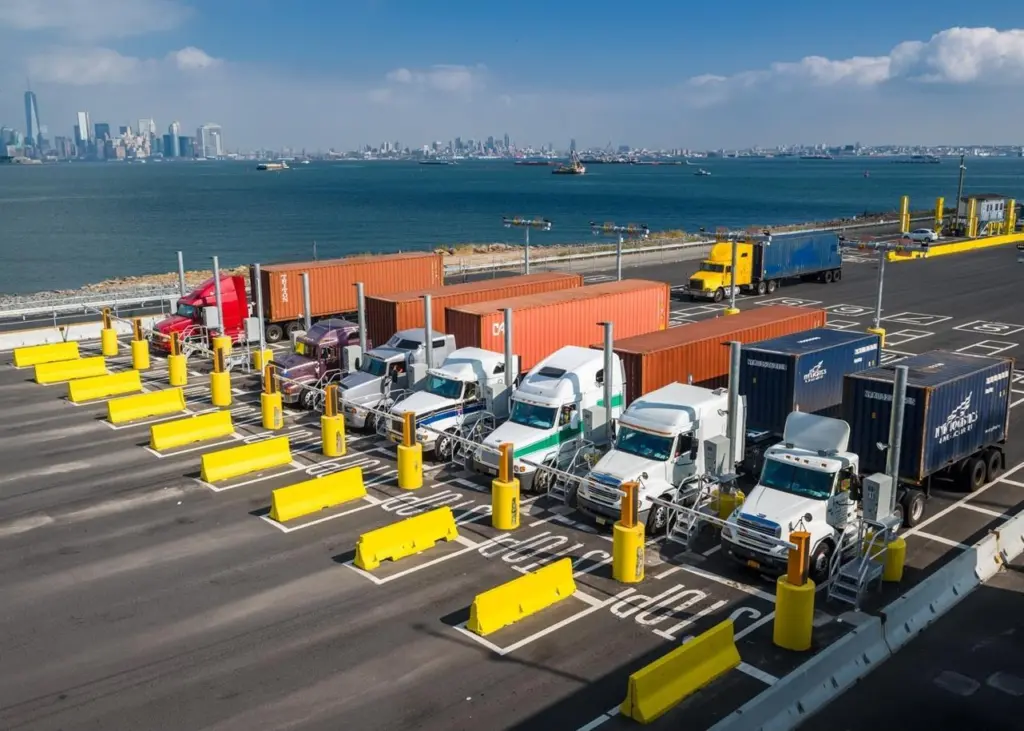
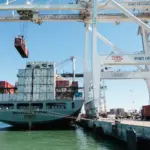
The multi-million dollar expansion project will see GCT develop a 70-acre technologically advanced container terminal on the Bayonne, NJ, waterfront and is expected to be the most advanced marine terminal in the Port of New York and New Jersey (PANYNJ) once completed.
Stephen Edwards, group president, GCT told Port Strategy: “Our overall strategy is to build and equip the terminal to meet the needs of the larger vessels and build that capability to also exceed the service levels and delivery of our competitors.”
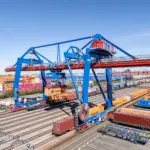
Investments in new container handling technology have been made for greater productivity, including 10 semi-automatic RMG stacks, 20 semi-automatic RMGs, 17 shuttle tracks which service between the STS cranes and RTGs and two additional STS cranes, which will be operating from March 2015.
In addition, 29 optical character recognition (OCR) gates have been added – 19 in-gates and 10 out-gates – to meet New York demands, where 90% of the market is served by trucks.
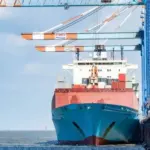
The company has also expanded its berth capacity to 823m, allowing two ships to berth simultaneously, therefore increasing its production levels.
GCT told PS this latest investment in technology will not only enable it to be more efficient than its major competitors in New Jersey – APMT, Maher Terminals and Port Newark Container Terminal – but will improve safety and security for the International Longshoremen’s Association (ILA), AFL-CIO workforce and mitigate potential environmental impact.
In addition, GCT will offer seamless intermodal rail connections via the adjacent redeveloped Greenville rail transfer facility.
This latest development is part of a public private partnership between GCT and the Port Authority of New York and New Jersey (PANYNJ), which acquired the land for the project adjoining GCT’s existing facility in 2007, ensuring that most of the waterfront property available would be used for port operations.
Elsewhere, the company is also expanding the scale of its operations at its Vancouver, Canada, terminal, where it’s increasing its barge container capacity and rail capacity in 2015/2016 and equipment base to handle a significant rise in volume.
While these latest developments will see GCT improve its offering, they’ll also mean customers can improve in the long run. “The main issue facing the industry at the moment is the rapid movement of shipping lines to deploy larger ships. This provides a significant opportunity because the move counts on and off the ships are greater and the capability needed by the operator are also greater. If you’re best equipped to do it then you’ll be best to provide your customers,” added Mr Edwards.
Related Articles
 PORT & TERMINAL NEWS
 OPERATIONS
 PORT & TERMINAL NEWS