![PortStrategy[GreenPort]](https://www.portstrategy.com/wp-content/uploads/2026/09/PortStrategyGreenPort.svg)





Closing the gap: port maintenance
When it comes to maintenance of port infrastructure, most owners and operators believe more needs to be done to ensure standards are met, according to the latest Trelleborg Marine System Barometer Report.
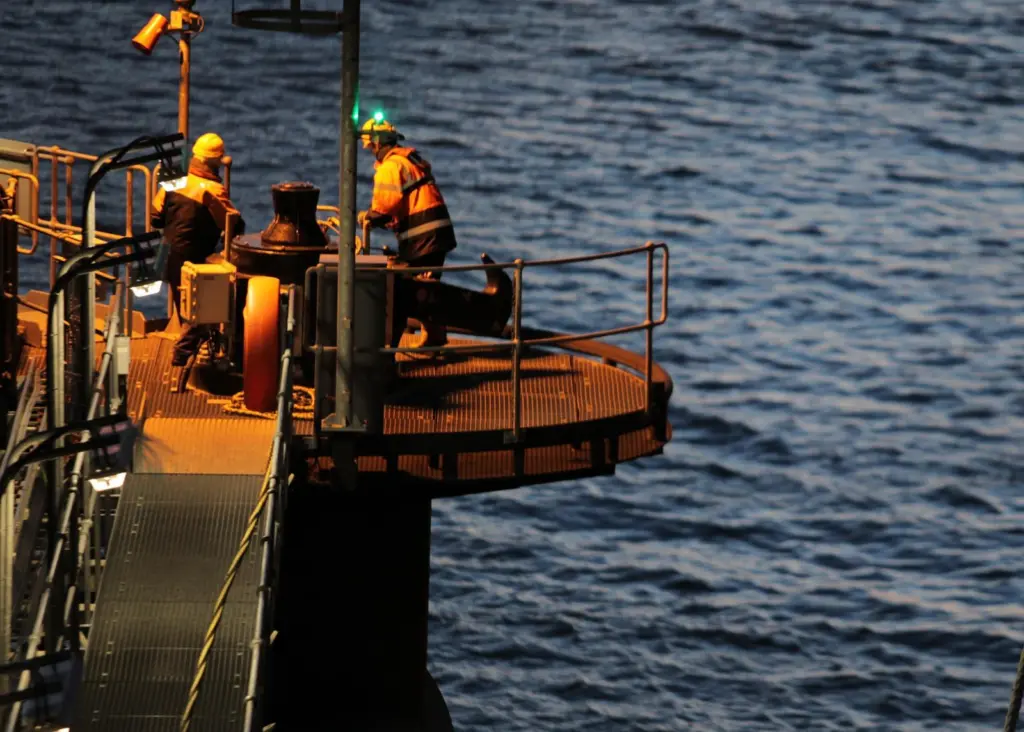
The report revealed a high gap in the maintenance requirements of port owners and operators, and the support that suppliers are able to provide. While 75% think it’s essential to have the supplier involved to understand the day-to-day operational requirements and pain points of the native environment and audit jetty based equipment, it’s also seen as suppliers’ weakest area.
“There is a need for a shift in the mind-set of the market,” said Richard Hepworth, president, Trelleborg. “What we find repeatedly is that the most successful projects engage suppliers from the earliest possible stages, to get input and guidance on what will be the most appropriate solution on a case-by-case basis.”
“Designing, manufacturing and installing port infrastructure is obviously very complex,” he added, “and it follows that the process to do so needs to be an iterative one in order to ensure the right solution for an individual project and its stakeholders.”
As far back as 2010, when the first Barometer Report was carried out, the market revealed a willingness to pay for preventative maintenance, but, at the time, budget pressures were holding facilities back.
Now, ports are more optimistic than ever and Trelleborg says it believes it’s time for port owners and operators to demand the maintenance support they need “from the engineering study stage to long after the product is installed and operational”.
Trelleborg itself says it ensures it provides an end-to-end service that extends beyond installation to include a number of aftersales services including 24/7 support engineers.
“Service should not stop at installation – suppliers need to take accountability for the performance of their products over their entire lifecycle,” Mr Hepworth concluded.
Related Articles
 CONTAINER & CARGO HANDLING
 CONTAINER & CARGO HANDLING
 BULK HANDLING