


Delays worsen in Southern California
The US west coast ports of Los Angeles and Long Beach have seen a turbulent few months as delays in moving cargo continue to slow, and aren’t showing any sign of easing.
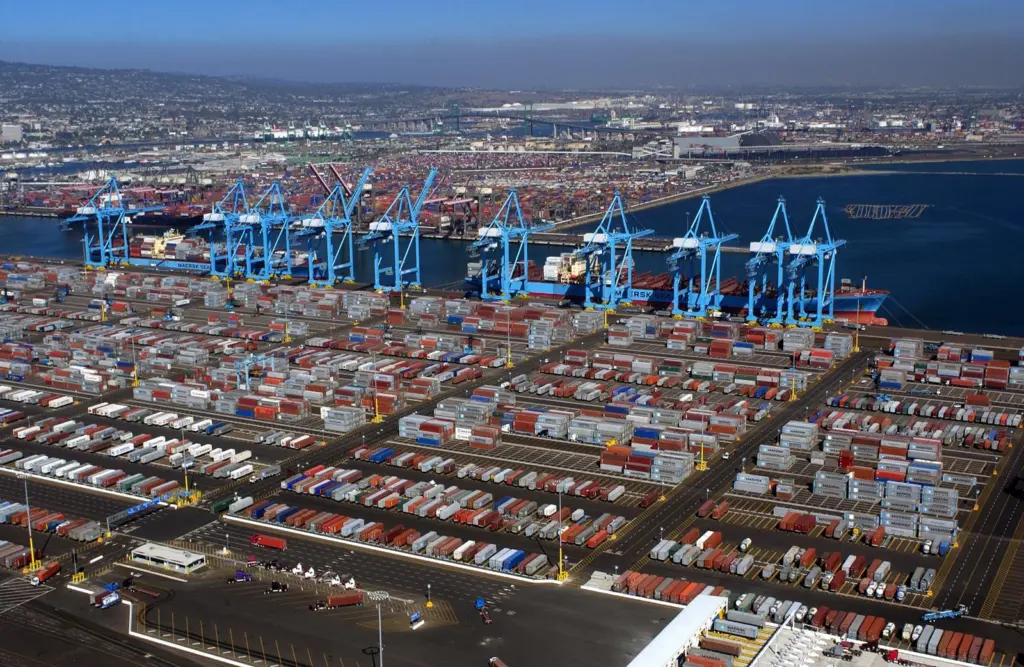
Equipment shortages, larger-than-ever cargoes and a slowdown in operations along with labour negotiations, are all contributing to the congestion. But, despite the ports’ efforts to get things moving again, it’s still a serious issue.
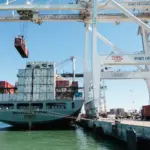
“As of this morning (Wednesday 4 February 2015), there are 17 container vessels at anchor waiting to get into the two ports. The Port of Los Angeles has another 17 or so vessels at berth. So it’s very crowded and cargo is moving slowly,” a spokesperson for the Port of Los Angeles (POLA) told Port Strategy.
It’s even been suggested that delays are now at their worst in two years, with reports that the average time cargo sits at POLA rising to more than 61 hours in the three months ended 31 December 2014, and rising to more than 66 hours at neighbouring Long Beach.
“The Port of Los Angeles is working with all stakeholders in the supply chain to do as much as we can to facilitate operational efficiencies. We helped facilitate the so-called “gray chassis” pool is which started forming this past week and will go into full operation in March. We’re also working with shipping lines and terminals to look at ways to improve the loading of ships more logically at point of origin so it takes less time to unload and distribute here in Southern California,” the spokesperson added.
Terminal operation hours are also being studied, with Los Angeles considering modifying PierPass hours to better use the day shift and create a more even flow of cargo movement.
Additional space has also been made for spillover cargo, while efforts are also being made to improve communication at the ports,
“We are also urging labour and the Pacific Maritime Association (PMA) to quickly come to terms on a contract so that we can begin to solve the congestion issues on a long-term basis,” the spokesperson concluded.
Related Articles
 PORT & TERMINAL NEWS
 OPERATIONS
 PORT & TERMINAL NEWS