


End of the road for megaships?
Megaships are no longer delivering economies of scale benefits to ports, terminal operators and shipping lines, according to a study carried out by shipping consultancy, Drewry.
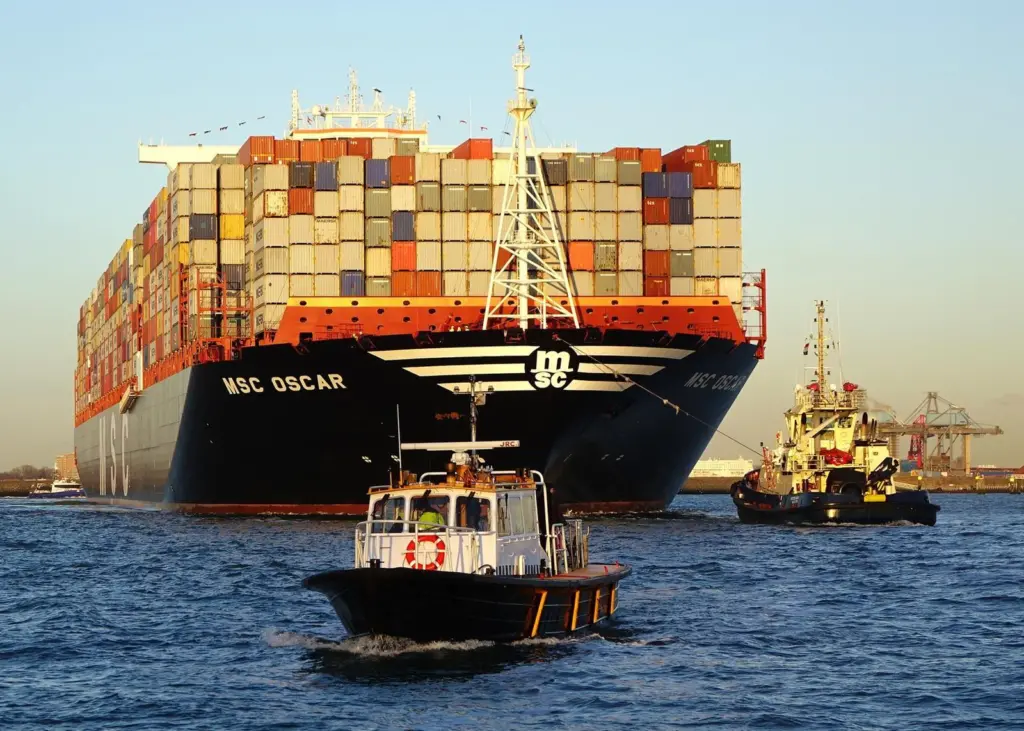
A simulation of the operational and financial impacts of vessels of 18,000teu and above shows that economies of scale, a key feature of the liner industry, may be running out.
Tim Power, managing director of Drewry, explained: “As more megaships enter service the industry is rapidly approaching a critical stage.”
“To ensure the economics of vessel upsizing continue to benefit the entire supply chain, lines and ports need to work in a more coordinated manner if further productivity improvements are to be realised.
“Addressing the operational and cost effects at port facilities caused by the challenging load and discharge patterns of these larger ships requires a cross-industry effort,” he concluded.
Since 2009, shipping lines have engaged in an ‘arms race’ with vessel sizes increasing at breakneck pace to drive down units costs and improve profitability. This is set to continue with a further 53 megaships expected to enter service in 2016.
While bigger ships help carriers reduce voyage costs, these savings are increasingly outweighed by higher port and landside costs.
Larger vessels place greater demands on ports, where channels have to cater for deeper draughts and on terminals, which need to upgrade equipment, yard facilities and manning levels to effectively handle increased peak cargo volumes.
Drewry expects that even with no further increase in vessel size, the number of mega vessels expected this year will strain terminal resources.
Key findings from the study are:
- Combined shipping line and port total system cost savings peak at only 5% of total network costs and economies of scale diminish as vessel sizes exceed 18,000teu.
- Terminals will incur significant investment to handle larger vessels and yard areas will need to increase by one third to avoid congestion.
- Continued vessel upsizing places an environmental burden on ports through the need for deeper channels and larger yard areas.
Related Articles
 OPERATIONS
 OPERATIONS
 PRODUCTS & SERVICES